
Construction Waste Tracking Apps
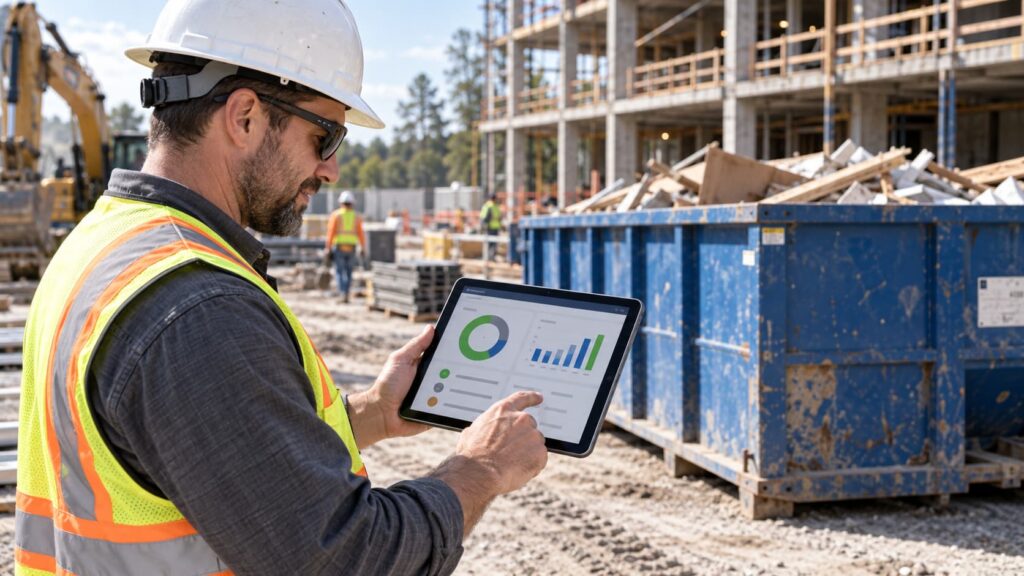
Key Takeaways: Construction waste tracking apps like Mitti, SmartWaste, and Raken help Peoria contractors log every load, photo, and weigh ticket instead of relying on memory or paper notes. Most tracking apps fall into three types: full compliance platforms, daily field-reporting tools, and municipal upload systems tied to a permit. A weigh ticket, material type, […]
Tips for Efficient Jobsite Setup and Waste Flow
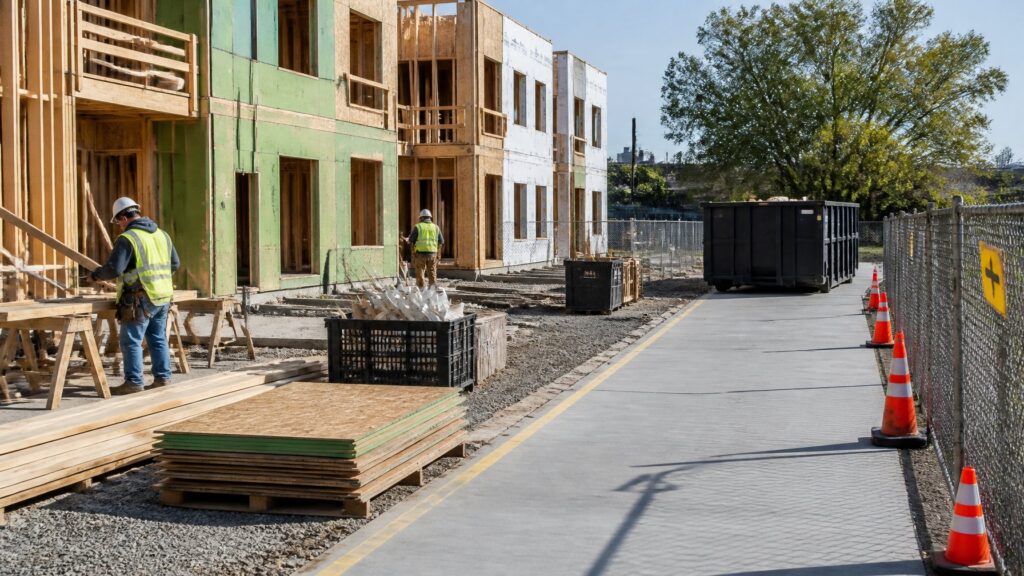
Key Takeaways Efficient jobsite setup and waste flow starts with carefully planning debris movement before the first tool comes out. OSHA requires clear aisles and passageways wherever mechanical equipment operates, which shapes where waste routes can go.[1] A dumpster placed at the natural end point of the waste flow path saves far more labor than […]
Equipment Rentals vs Ownership: Dumpsters and Beyond
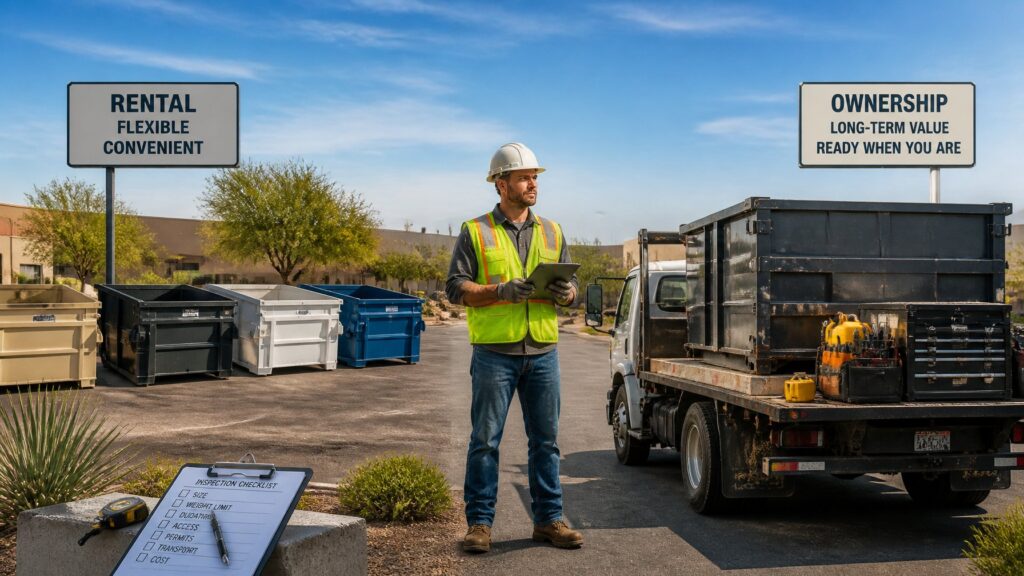
Key Takeaways Equipment rentals vs ownership decisions depend heavily on how frequently a contractor actually uses a given piece of equipment. Dumpster rental almost always beats ownership for contractors, since disposal logistics and permitting are handled by a sourcing partner. Section 179 of the tax code allows businesses to deduct the full purchase price of […]
How to Keep Clients’ Properties Clean During Construction
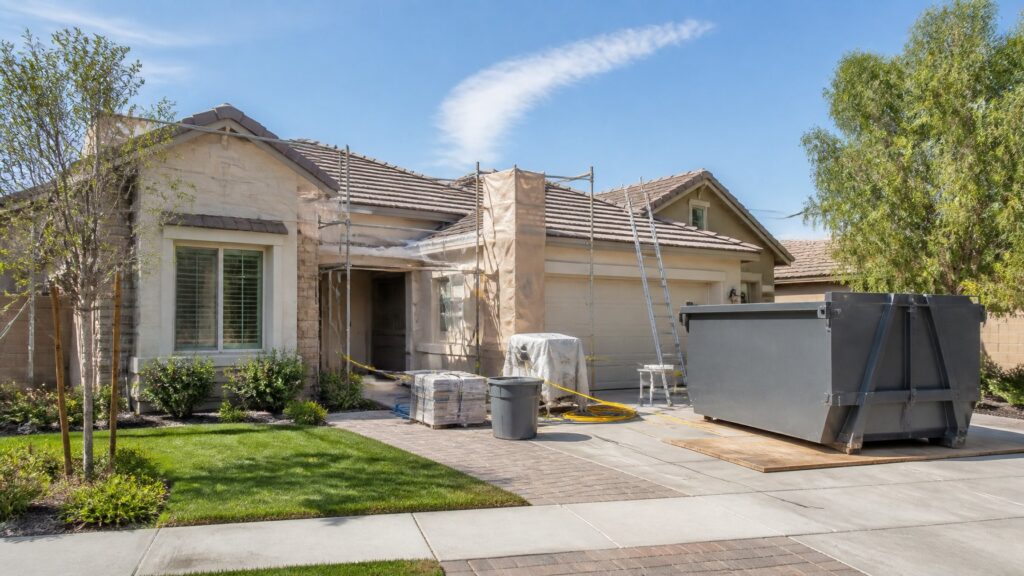
Key Takeaways How to keep clients’ properties clean during construction starts with daily habits, not just a final cleanup pass. OSHA requires storage and work areas to stay free of hazards from tripping, fire, or debris accumulation throughout a project.[1] A dumpster placed thoughtfully protects landscaping and driveways as much as it contains debris. Clear […]
Working With Subcontractors: Coordinating Waste Management
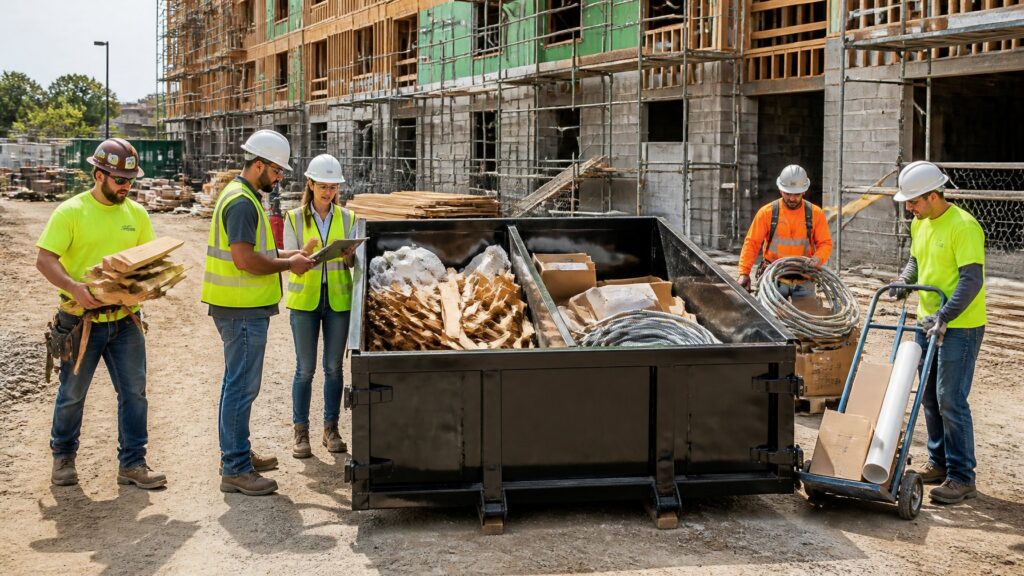
Key Takeaways Working with subcontractors to coordinate waste management prevents finger-pointing over whose debris is whose on a shared site. OSHA’s multi-employer policy means a general contractor can be cited for a subcontractor’s safety violations, including debris-related hazards.[1] Written expectations for waste handling belong in the subcontract, not left as a verbal assumption. A single […]
Building Codes and Debris Containment Requirements
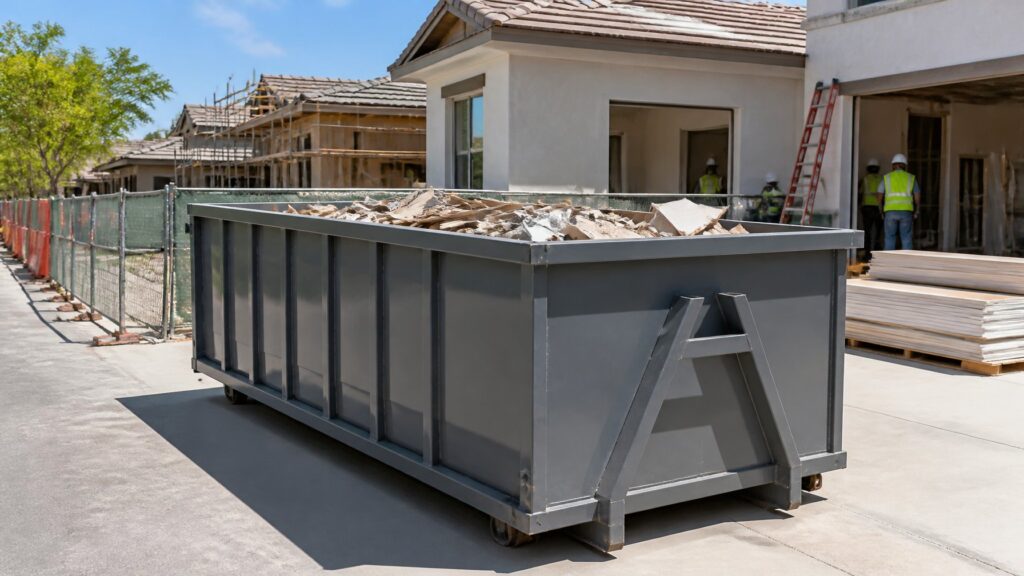
Key Takeaways Building codes and debris containment requirements in Peoria draw from the 2018 International Building Code alongside several other adopted codes. Construction dumpsters don’t need a separate zoning permit in Peoria as long as they’re placed on a hard surface and tied to active construction. OSHA’s waste disposal standard adds a separate, federal layer […]
Estimating Labor Costs for Waste Removal on Jobs
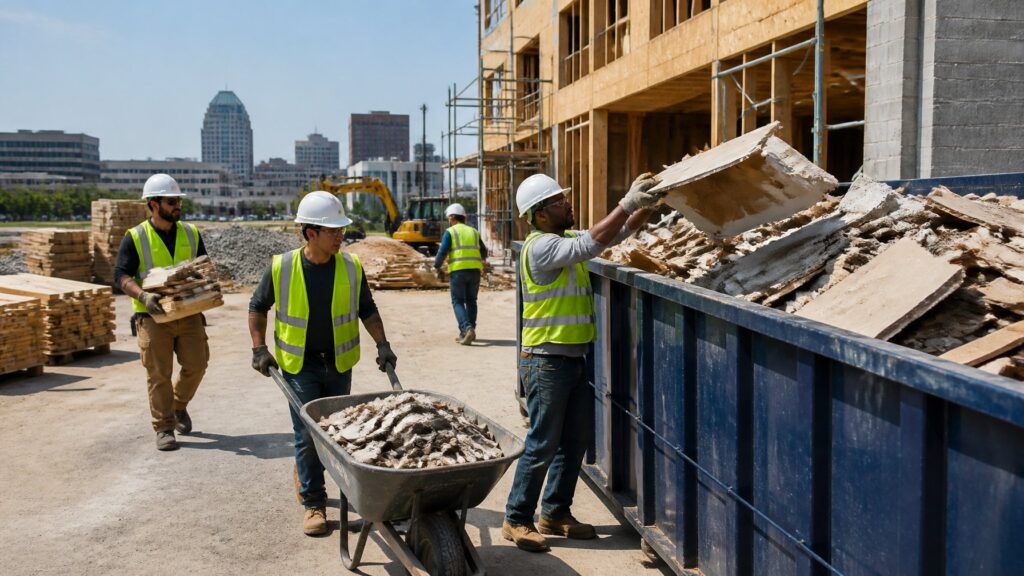
Key Takeaways Estimating labor costs for waste removal on jobs means accounting for loading time, not just the dumpster rental fee itself. Crews consistently underestimate how long debris loading actually takes compared to the “productive” trade work around it. A dumpster placed close to the active work area cuts labor time more than almost any […]
Pop-Up Retail Waste Management: Short-Term Solutions
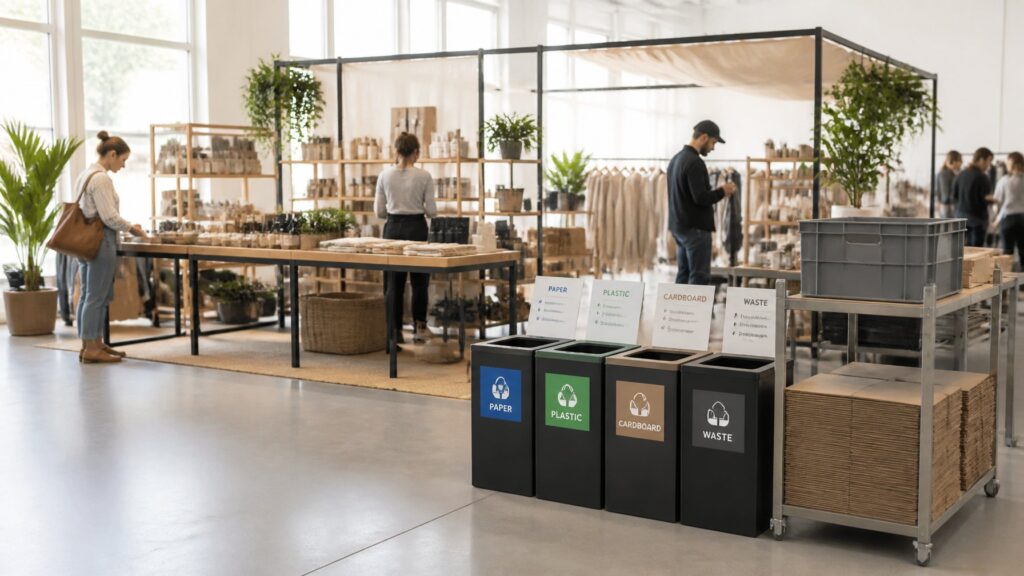
Key Takeaways Pop-up retail waste management needs short-term solutions sized for a defined event window, not a full lease term. Temporary structures and uses in Peoria fall under a specific permitting process separate from standard retail permits. Packaging, signage, and fixture waste all spike at teardown, not just during the event itself. A single flexible […]
Medical Office Waste Disposal: Compliance and Best Practices
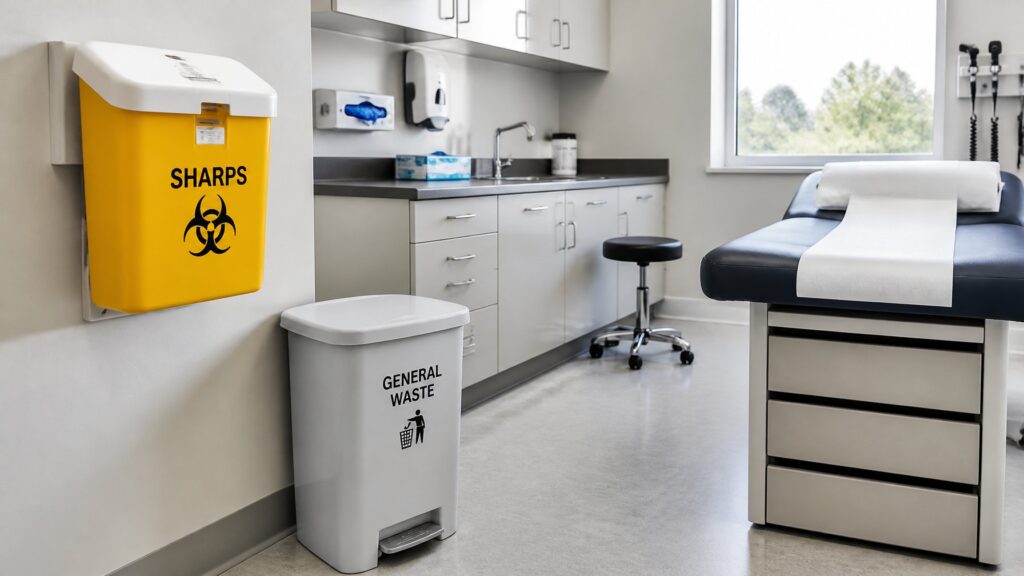
Key Takeaways Medical office waste disposal compliance means separating regulated medical waste from general trash before it ever reaches a dumpster. Illinois classifies most medical waste as Potentially Infectious Medical Waste (PIMW), a distinct regulatory category with its own rules.[1] OSHA’s Bloodborne Pathogens Standard governs how regulated waste is contained, stored, and handled by staff.[2] […]