
- How to keep clients’ properties clean during construction starts with daily habits, not just a final cleanup pass.
- OSHA requires storage and work areas to stay free of hazards from tripping, fire, or debris accumulation throughout a project.[1]
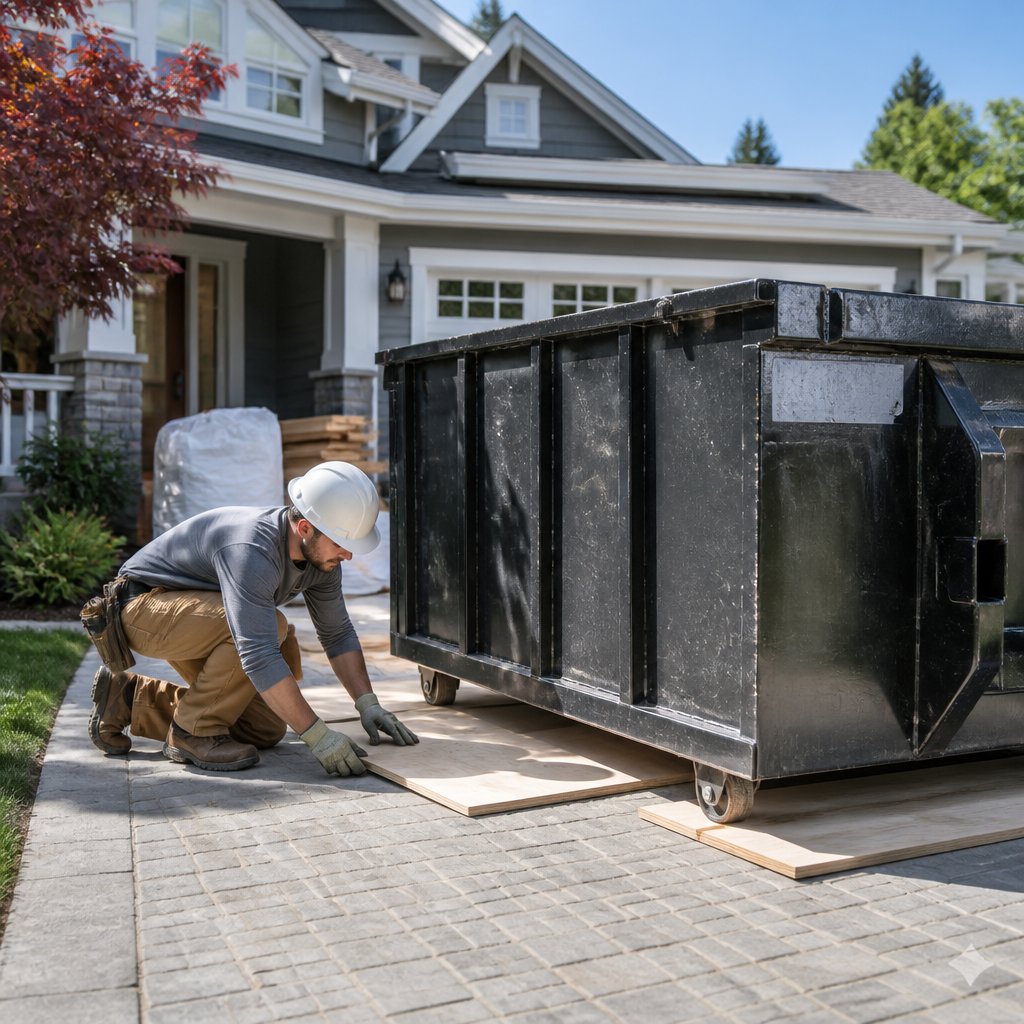
- A dumpster placed thoughtfully protects landscaping and driveways as much as it contains debris.
- Clear communication with clients about what “clean” means during an active project avoids mismatched expectations.
- End-of-day tidying takes minutes but has an outsized effect on how clients perceive a contractor’s professionalism.
Why How You Keep Clients’ Properties Clean During Construction Matters
A messy jobsite doesn’t just look unprofessional — it actively shapes how a client experiences the entire project, regardless of how good the finished work turns out to be. How to keep clients’ properties clean during construction is as much about client relationships as it is about safety, since a property that stays reasonably tidy throughout the project builds trust in a way that a spotless final reveal can’t fully make up for.
OSHA’s construction standards call for storage and work areas to remain free from accumulation of materials that constitute hazards from tripping, fire, or pest harborage.[1] While this requirement exists for worker safety, following it consistently also happens to keep a property looking far more presentable to a client walking through mid-project.
Contractors sometimes treat these two goals — safety compliance and client-facing tidiness — as separate concerns requiring separate effort, when in practice the habits that satisfy one almost always satisfy the other. A crew trained to clear debris daily for OSHA compliance reasons ends up delivering a cleaner-looking site as a natural side effect, without any extra work specifically aimed at impressing the client.
Zap Dumpsters Peoria works as a sourcing partner throughout your project, helping connect Peoria contractors with a dumpster placed to protect the property and support daily cleanup habits.
Daily Habits That Keep a Property Presentable
| Habit | Client Impact |
|---|---|
| End-of-day debris clearing | Property looks tidy overnight and on weekends |
| Consistent material staging areas | Reduces visual clutter across the property |
| Protected pathways to work areas | Prevents tracked-in dirt and damage to floors/landscaping |
| Thoughtful dumpster placement | Protects driveways and landscaping from container damage |
End-of-Day Clearing
Taking ten to fifteen minutes at the end of each work day to clear loose debris, organize tools, and tidy the immediate work area makes an outsized difference in how a client perceives the project, especially if they’re living in or regularly visiting the property during construction. This small routine also makes the next morning’s start noticeably faster, since the crew isn’t wasting time navigating around yesterday’s mess before getting back to actual work.
Dumpster Placement
Where a dumpster sits affects more than just crew convenience — a container placed without boards or protection underneath can damage a driveway surface, and one positioned carelessly near landscaping can crush plants or compact soil. Taking a few minutes to plan placement protects the property alongside containing the debris itself. Confirming the placement location with the client before delivery day, rather than letting the delivery driver choose the most convenient spot, also avoids the awkward conversation that happens when a container ends up somewhere the homeowner didn’t expect or want it.
Communicating With Clients Living On-Site
Residential remodels often mean the client is still living in the home while work is underway, which raises the stakes on cleanliness far beyond what a vacant commercial space requires. Dust control, noise timing, and clear pathways through livable parts of the house all become part of the daily cleanliness conversation, not just the construction zone itself. Establishing a simple daily routine — sealing off active work areas with plastic sheeting, vacuuming tracked dust from adjacent rooms, and keeping a clear path to bathrooms and exits — makes a much bigger difference to a client’s day-to-day experience than most contractors initially expect.
Regular, brief check-ins with the client about how the mess is being managed also go a long way. Even a quick end-of-week update — what was cleaned, what’s staged for the next phase, when the dumpster will be swapped — reassures a client living through the disruption that the project is under control, even on days when the site genuinely looks rough.
Setting Expectations With Clients Upfront
A brief conversation before work begins about what “clean” realistically looks like during an active construction project — dust, some visible materials staged nearby, a dumpster on the property — prevents the client from expecting a spotless site every single day, which no active project can truly deliver. Setting this expectation early, rather than letting a client discover it on their own, avoids friction that has nothing to do with the actual quality of the work. Framing this conversation around the difference between an “active project” phase and the “finished result” phase helps clients mentally separate the two, so a messy Tuesday doesn’t get mistaken for a sign the project is going poorly.
Quick Reference: Property Protection Checklist
| Item | Why It Matters |
|---|---|
| Boards/protection under dumpster | Prevents driveway surface damage |
| Clear pathway protection (floor covering, etc.) | Prevents tracked-in dirt and interior damage |
| Daily debris clearing | Keeps property presentable throughout project |
| Upfront client conversation about expectations | Prevents mismatched assumptions about “clean” |
Protecting Landscaping and Hardscaping
Beyond the dumpster itself, protecting existing landscaping and hardscaping during an active project takes some upfront planning. Marking off areas that need to stay clear of equipment and material staging, and communicating those boundaries to the entire crew rather than assuming everyone will naturally avoid sensitive areas, prevents accidental damage that can otherwise become a costly and avoidable dispute at project close. A quick walkthrough with the client before work begins, pointing out specific plants, garden beds, or hardscape features that need protection, also surfaces concerns the crew might not otherwise know about — a newly planted tree or a client’s sentimental garden bed isn’t always obvious to someone seeing the property for the first time.
Managing Dust and Tracked-In Debris
For interior work, protecting floors and entryways from tracked-in dirt and dust matters just as much as exterior cleanliness. Simple floor coverings and a designated entry point for the crew go a long way toward keeping the parts of a property clients see daily looking reasonably clean throughout the project.
Keeping Client Properties Clean Near You
How to keep clients’ properties clean during construction ultimately comes down to consistent daily habits and clear upfront communication, not a single big cleanup effort. Contractors who build these habits into their standard routine, rather than treating cleanliness as an afterthought, tend to see the payoff show up in referrals and repeat business as much as in the finished work itself. If you’re managing a shared jobsite with multiple trades, our guide on working with subcontractors to coordinate waste management covers how to keep the whole team aligned on cleanliness expectations too.
Zap Dumpsters Peoria works as your sourcing partner for contractor dumpster rentals, helping connect your project with a container placed to protect the property near you.
How to Keep Clients’ Properties Clean During Construction FAQs
What’s the most effective daily habit for keeping a jobsite clean?
End-of-day debris clearing, even just ten to fifteen minutes of tidying, has an outsized effect on how a property looks and how clients perceive the project’s professionalism.
How do I protect a driveway from dumpster damage?
Placing boards or plywood under the dumpster before it’s positioned helps distribute weight and protect the surface underneath from cracking, staining, or long-term damage.
Should I discuss cleanliness expectations with clients before starting?
Yes, a brief upfront conversation about what a typical active construction site looks like prevents clients from expecting an unrealistic level of daily cleanliness throughout the project.
Does OSHA require jobsite cleanliness?
Yes, OSHA requires work and storage areas to be kept free from accumulation of materials that create tripping, fire, or pest hazards, which supports both safety and general property tidiness.
How do I keep interior floors clean during renovation work?
Floor coverings and a designated crew entry point help minimize tracked-in dirt and debris in the parts of a property clients see and use daily during an active construction project.
How to Keep Clients’ Properties Clean During Construction Citations
- OSHA, 29 CFR 1926.25 — Housekeeping — osha.gov