
- Key Takeaways:
- Old metal roof panels are almost entirely recyclable and should go to scrap metal yards rather than landfills.
- Sorting panels by metal type (steel, aluminum, copper) before dropping them off improves acceptance and often increases scrap value.
- Removing non-metal attachments like wood battens, foam, and insulation before scrapping saves processing fees.
- Recycling metal uses significantly less energy than producing new metal from ore, making it one of the most environmentally meaningful disposal choices in residential construction.
- Zap Dumpsters Peoria can help source containers for metal panel tear-offs before panels are sorted for scrap.
Recycling old metal roof panels starts with understanding what type of metal you have and where it can go. Steel, aluminum, copper, and zinc roofing panels all follow similar pathways, moving through local scrap metal yards into the manufacturing supply chain rather than ending up in a landfill. Because metal can be recycled repeatedly without losing quality, returning old panels to a recycler is both the most environmentally sound and often the most economically practical disposal choice.
Why Metal Roofing Recycling Is Different From Other Roofing Disposal
Most roofing materials require special handling to divert from landfills. Asphalt shingles need certification processes and BUD-qualified facilities. Tile and wood shake have limited recycling streams. Metal panels are different because the existing scrap metal recycling infrastructure is already built, widely available, and actively profitable. The economic incentive to recycle metal is built into the scrap price rather than relying entirely on regulatory mandates.
Metal’s Unique Recyclability Advantage
According to the Metal Roofing Alliance, most metal roofs are manufactured using a minimum of 25 percent recycled content, and the material is fully recyclable at the end of its service life without any loss of strength or quality[1]. What makes metal distinct from most other building materials is that this recyclability is not theoretical — it happens continuously at scale through the scrap metal industry, which processes and returns metal to manufacturing with minimal energy compared to producing new metal from raw ore.
Identifying Your Metal Type Before Scrapping
The first practical step when planning to recycle old panels is identifying the metal type. Steel, aluminum, copper, zinc, and Galvalume (a steel-aluminum-zinc alloy) are the most common residential roofing metals, and each is handled differently at a scrap yard.
| Metal Type | Identifying Features | Scrap Category |
|---|---|---|
| Galvanized steel | Silver-gray, magnetic, often corrugated | Ferrous scrap |
| Galvalume | Similar to galvanized, slightly shinier, magnetic | Ferrous scrap |
| Aluminum | Lightweight, non-magnetic, silver or coated finish | Non-ferrous scrap (higher value) |
| Copper | Reddish-brown, non-magnetic, develops green patina | Non-ferrous scrap (highest value) |
| Zinc | Matte gray, non-magnetic, very lightweight | Non-ferrous scrap |
Using a Magnet to Sort Steel From Non-Ferrous Metals
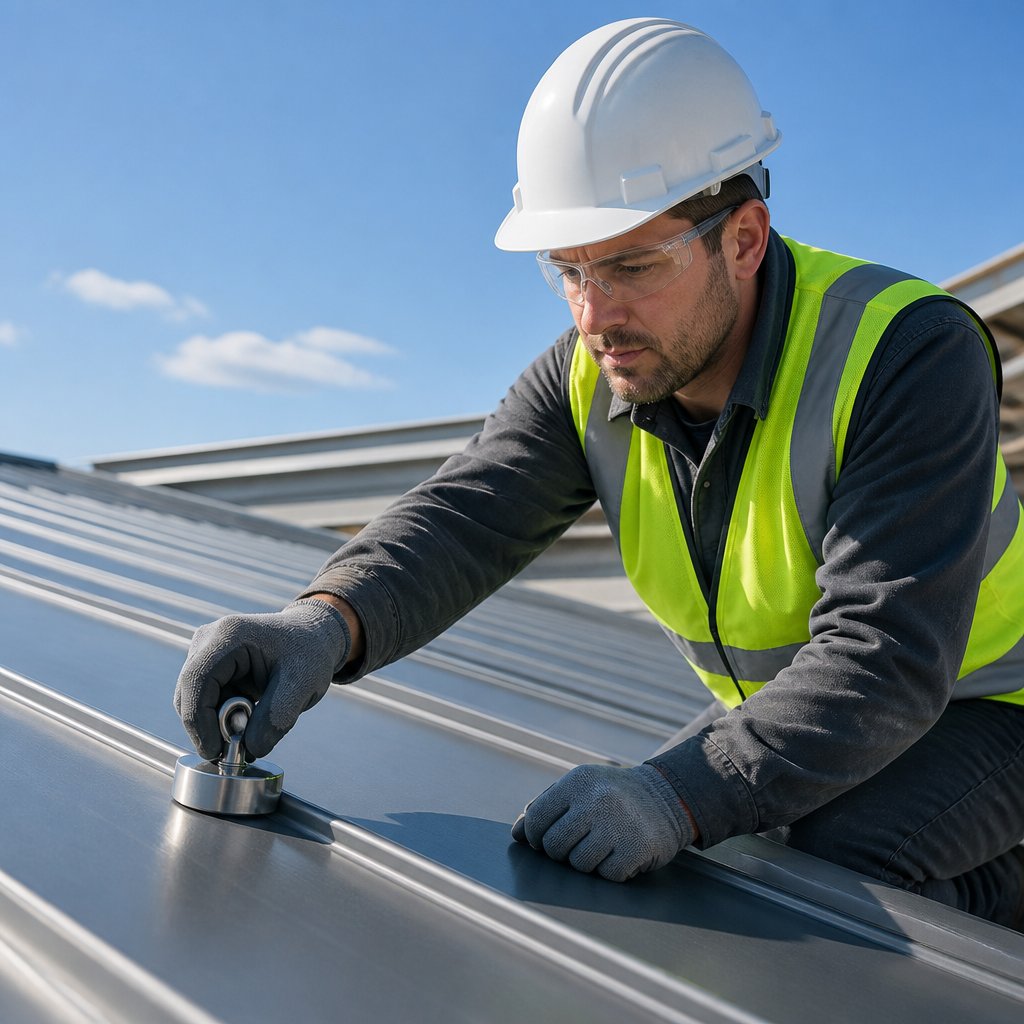
A simple fridge magnet sorts steel and Galvalume from aluminum, copper, and zinc in seconds. Ferrous metals stick; non-ferrous metals do not. Keeping these sorted at the job site speeds up the scrap yard process and usually results in better pricing, since non-ferrous metals command higher rates per pound than ferrous scrap.
Preparing Panels for Recycling
Remove Non-Metal Attachments First
Scrap yards accept metal roofing panels most readily when they are relatively clean of attached non-metal material. Wood battens screwed to the underside of panels, foam insulation strips, rubber gaskets, and heavy felt underlayment are all considered contaminants in a metal scrap load. Removing them at the job site, before panels are bundled for transport, reduces the risk of a load being downgraded or turned away at the yard.
Handling Coated and Painted Panels
Most painted or coated steel and aluminum roofing panels are accepted by scrap yards without any special treatment. The coating is part of the product and is handled during the melting process. The exception is panels with lead-based paint, which are more common on older structures and may require separate handling depending on the facility’s policies and local regulations.
Panel Length and Transport Considerations
Standing seam metal roof panels are often long, sometimes running from ridge to eave in a continuous length. These panels may need to be cut to fit into a transport vehicle or container for the haul to the scrap yard. Most steel panels can be cut with a metal cutting blade or snips without difficulty, and the cut material is still fully recyclable.
Recycling Pathways for Old Metal Panels
Local Scrap Metal Yards
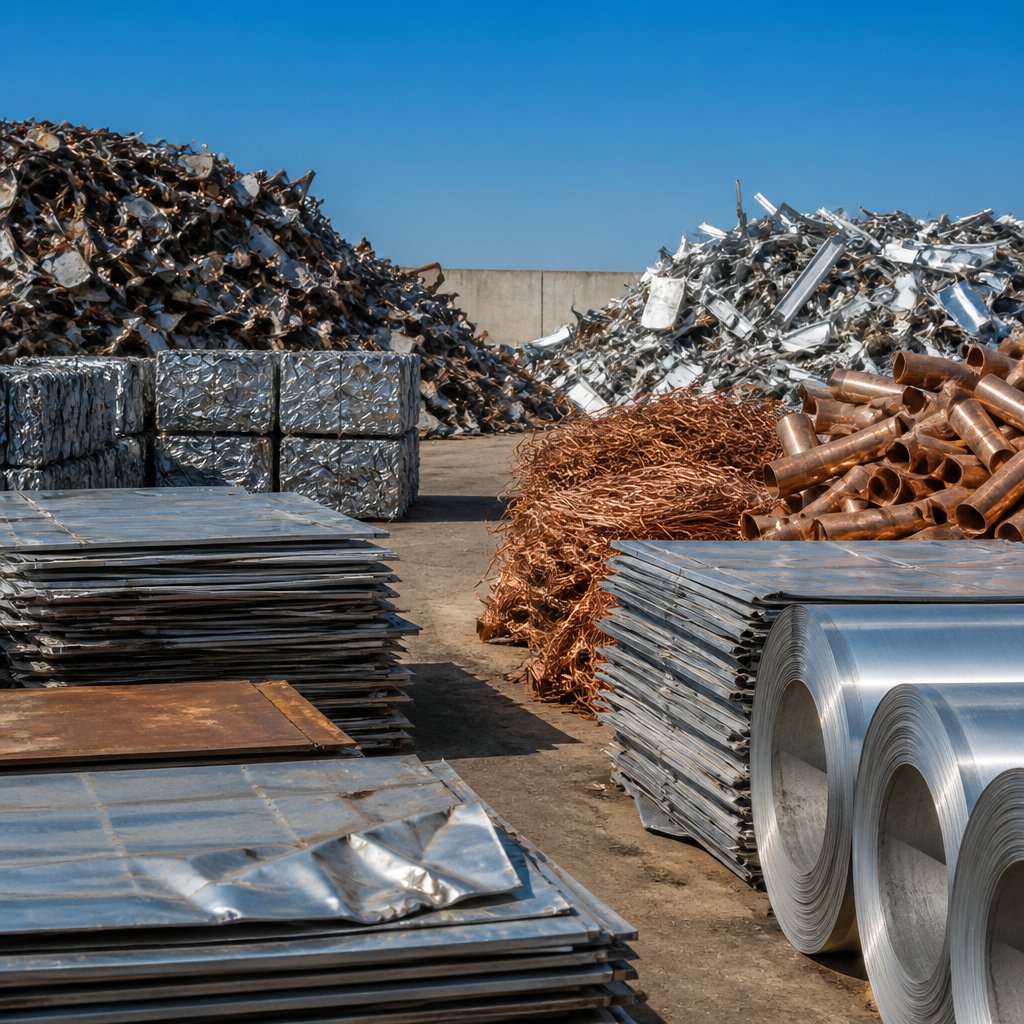
For most residential metal roof replacements in the Peoria area, a local scrap metal yard is the most direct recycling route. Most yards accept steel, aluminum, and copper roofing panels with minimal preparation required beyond rough sorting by metal type. Call ahead to confirm the yard accepts roofing panels specifically, since some facilities have size restrictions or prefer certain metal grades.
Reuse for Outbuildings and Secondary Structures
If the metal panels being removed are still structurally sound, they can sometimes be reinstalled on an outbuilding, barn, shop, or other secondary structure on the property. This is environmentally preferable to recycling because it avoids the energy cost of remelting the metal entirely. Even imperfect panels that have minor surface rust or cosmetic issues may still be functional for a non-primary structure where appearance is less critical.
| Panel Condition | Best Disposal Path |
|---|---|
| Structurally sound, minimal surface damage | Reuse on outbuilding or resale |
| Sound but cosmetically worn | Scrap metal yard, full value recovery |
| Bent, punctured, or mixed with non-metal | Scrap yard after removing non-metal contaminants |
| Panels with possible lead-based paint | Confirm facility acceptance before dropping off |
Coordinating Metal Panel Removal With Your Dumpster Plan
Metal panels can be kept separate from asphalt underlayment, flashing scraps, and fastener waste during the tear-off phase to maximize the value of both recycling streams. One container for clean metal panels destined for the scrap yard and a second for general roofing debris keeps the loads clean and avoids contamination that could reduce what the yard will accept.
For the container side of the equation, the guide on what dumpster options are available for residential roof projects covers the container type comparison in detail. The existing article on roofing debris best practices for dumpsters and nail cleanup is also useful for the overall debris management side of the project.
Zap Dumpsters Peoria works as a sourcing partner for roofing waste disposal, helping homeowners and contractors in Peoria find the right container for the general debris portion of a metal roof replacement while panels are sorted separately for scrap.
Recycling Metal Roof Panels Near You in Peoria
Recycling old metal roof panels is one of the most straightforward disposal tasks in residential construction because the infrastructure is already in place through the scrap metal industry. Sorting by metal type, removing non-metal contaminants, and calling ahead to confirm acceptance are the three practical steps that make recycling smooth and economical. For the rest of the tear-off debris, Zap Dumpsters Peoria sources the right container near you so the full project cleanup runs efficiently from start to finish.
How Do You Recycle Old Metal Roof Panels FAQs
How do you recycle old metal roof panels from a residential replacement?
You recycle old metal roof panels by sorting them by metal type, removing non-metal attachments, and taking them to a local scrap metal yard, which accepts steel, aluminum, copper, and zinc roofing panels.
Do scrap yards accept painted or coated metal roofing panels?
Yes. Most scrap yards accept painted or coated panels without special treatment, since the coating is processed during melting. Panels with lead-based paint may require confirmation with the facility first.
Can I reuse old metal roof panels instead of recycling them?
Yes, if the panels are still structurally sound. Reusing them on an outbuilding or secondary structure is environmentally preferable to recycling because it avoids the energy cost of remelting.
Does sorting metal panels by type affect scrap value?
Yes. Keeping non-ferrous metals like aluminum and copper separate from ferrous steel and Galvalume panels typically results in better pricing at the scrap yard.
What non-metal materials need to be removed before recycling panels?
Wood battens, foam insulation strips, rubber gaskets, and heavy felt underlayment should be removed before dropping off panels at a scrap yard to avoid contamination and potential load rejection.
How Do You Recycle Old Metal Roof Panels Citations
- Metal Roofing Alliance, Recyclability: https://www.metalroofing.com/recyclability