
- Key Takeaways:
- Green roof tear-offs generate multiple distinct waste streams that each need a separate disposal or reuse pathway.
- Vegetation and organic material from a green roof is classified as landscape waste in Illinois and cannot go to a landfill.
- Clean mineral substrate like expanded clay or crushed shale can often be reused on-site or sent to a CCDD-permitted facility.
- Deconstructing layer by layer, rather than mixing everything together, is the most important step for enabling recycling and reuse.
- Zap Dumpsters Peoria can help source containers for the synthetic and general debris layers of a green roof removal.
Handling green roof waste materials for disposal requires a layer-by-layer approach rather than a single-container solution. Because a living roof is built from several distinct materials, each with its own disposal pathway, mixing everything together during tear-off is the fastest way to eliminate recycling options and drive up disposal costs. Separating layers as you go is not just environmentally better — it is often the more economical approach too.
Why Green Roof Waste Is More Complex Than Standard Roofing Debris
A standard asphalt shingle tear-off produces one primary waste stream: shingles and underlayment. A green roof removal produces five or more: vegetation, growing substrate, drainage material, waterproofing membrane, and miscellaneous irrigation and modular components. Each layer has different weight characteristics, different regulatory classifications in Illinois, and different end-of-life options.
How Green Roof Layers Differ in Weight and Density
Extensive green roofs, which use thin substrates and drought-tolerant plants, are relatively light and easier to manage in standard containers. Intensive green roofs, which support deeper soil and larger plantings, can involve substrate depths of 12 inches or more and may weigh several hundred pounds per square foot when saturated. Understanding which system you are dealing with changes every logistical calculation that follows.
Layer-by-Layer Disposal and Reuse Guide
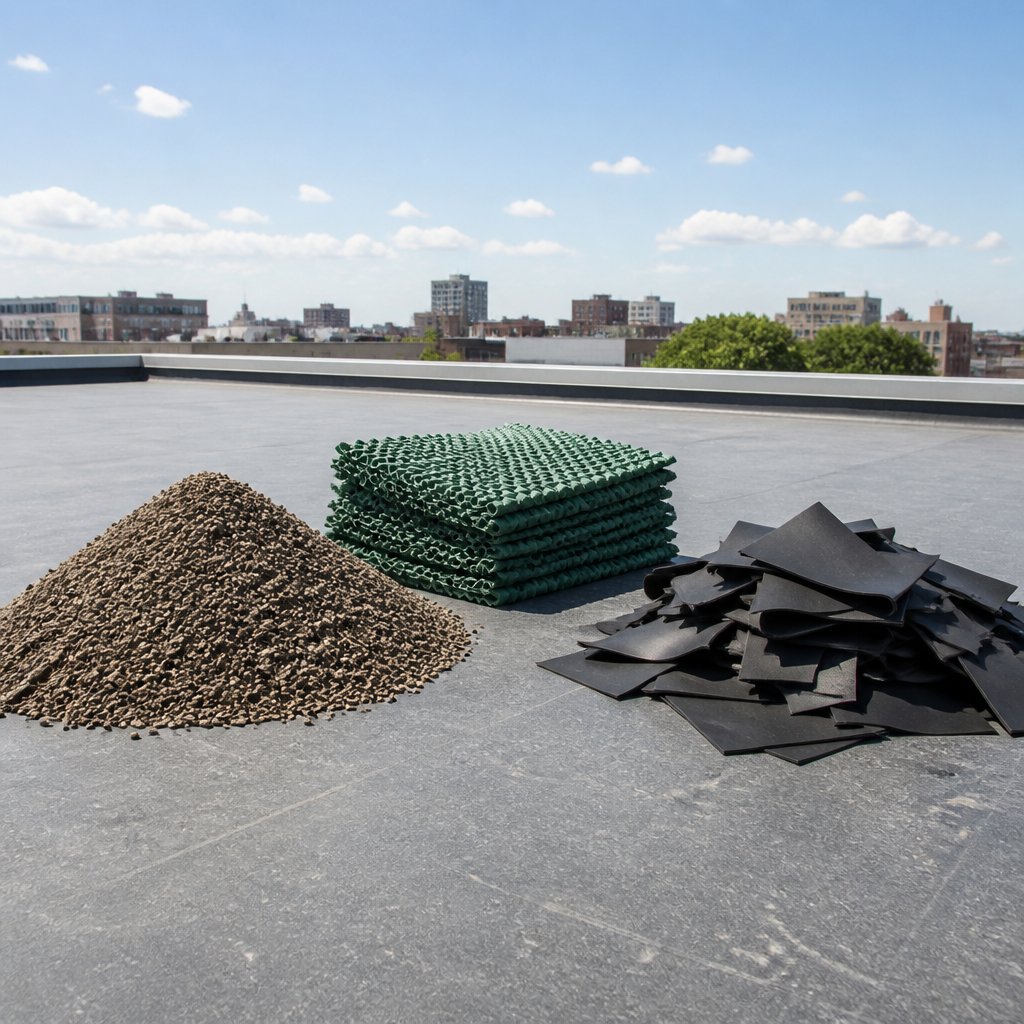
| Green Roof Layer | Material Type | Illinois Disposal Pathway |
|---|---|---|
| Vegetation | Organic — landscape waste | Compost facility or municipal organic program |
| Growing substrate | Mineral (expanded clay, pumice, shale) | On-site reuse, CCDD facility, or landscape fill |
| Drainage mat / granular layer | HDPE plastic or granular mineral | Reuse if intact; plastic to C&D recycler; mineral to CCDD |
| Waterproofing membrane | EPDM, TPO, PVC, or modified bitumen | Manufacturer take-back, specialized recycler, or C&D landfill |
| Modular trays / irrigation lines | Plastic, HDPE tubing | Manufacturer take-back or C&D plastic recycler |
Vegetation: Illinois Landscape Waste Rules Apply
The vegetation layer of a green roof is classified as landscape waste under Illinois law. Illinois Environmental Protection Agency rules have prohibited the disposal of landscape waste in landfills since July 1990, which means the plants, ground cover, and organic matter removed from a green roof must go to a permitted composting facility or be managed through a municipal or commercial organic program[1]. This cannot go into a standard roll-off dumpster with the rest of the roofing debris without creating a compliance issue.
Composting and Replanting Options for Vegetation
Healthy plant material, particularly hardy sedums, ornamental grasses, or other drought-tolerant species, can often be divided and replanted in other landscape beds or donated to a community garden rather than composted. If replanting is not practical, taking the organic material to a commercial compost facility is the compliant and environmentally sound alternative. Never mix wet vegetation into a container with mineral substrate or synthetic drainage materials, since this creates contaminated loads that processors may reject.
Growing Substrate: The Reuse Opportunity Most Projects Miss
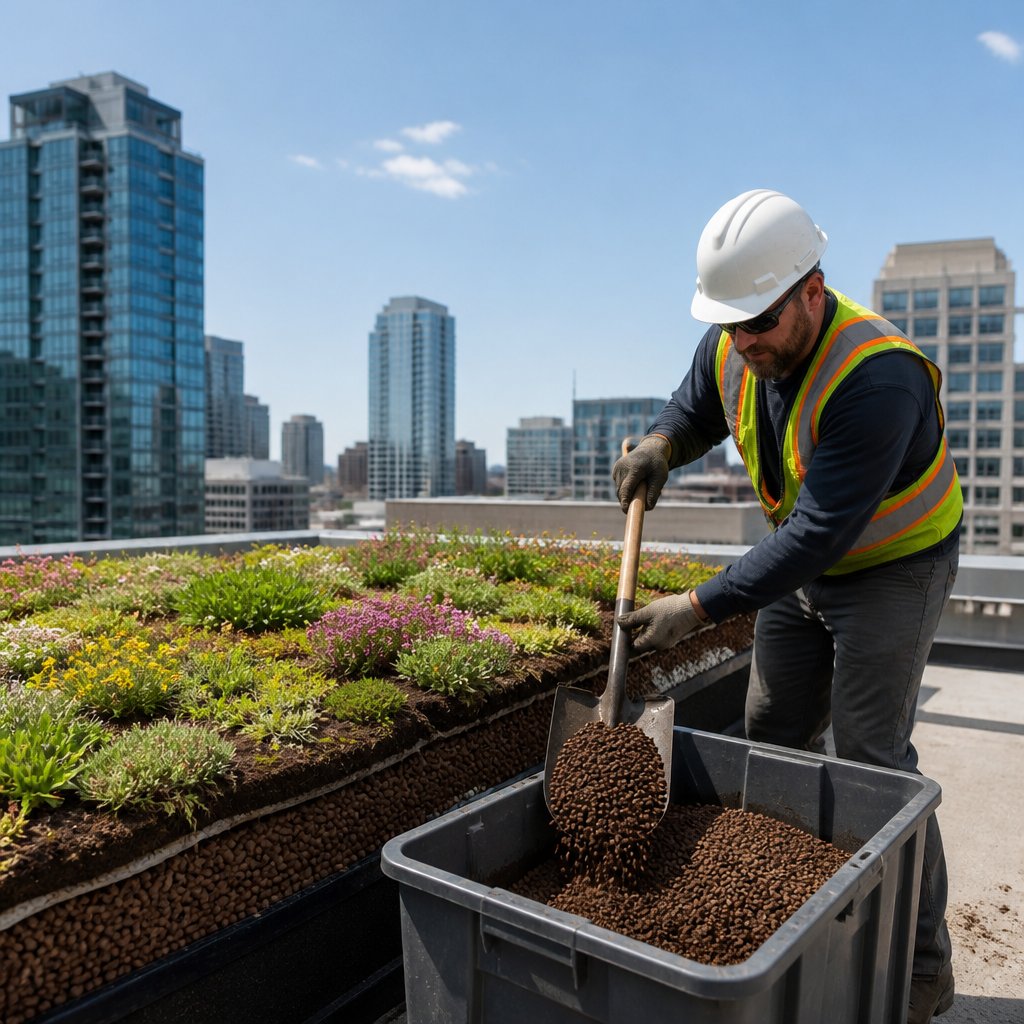
Clean mineral substrate from a green roof is one of the most overlooked reuse opportunities in residential and commercial roofing projects. Expanded clay, crushed shale, pumice, and similar lightweight aggregates are structurally sound and chemically inert once the plant material is screened out. This substrate can be reused directly in new raised beds, planting berms, drainage trenches, or even new green roof installations on other properties.
When Substrate Needs Professional Disposal Instead
If the green roof was treated with herbicides, pesticides, or other chemicals, or if the substrate shows signs of contamination from roof equipment or industrial processes, it no longer qualifies for simple reuse or CCDD-pathway disposal. Contaminated substrate must be tested and, if it fails clean-fill standards, managed as specially regulated waste under Illinois EPA rules. Flag this possibility early, particularly on commercial roofs where chemical exposure is more common.
Waterproofing Membranes: The Hardest Layer to Recycle
EPDM, TPO, PVC, and modified bitumen membranes do not have the same broadly available recycling infrastructure that metal panels or mineral substrate do. Some membrane manufacturers run take-back programs for their own branded products, so it is worth contacting the original manufacturer before assuming landfill is the only option. Specialized C&D recyclers increasingly accept single-ply membranes, particularly if they can be peeled off cleanly before other layers are removed.
Keeping Membranes Intact During Tear-Off
Peeling the waterproofing layer off in the largest possible sections, rather than shredding it during removal, improves its recyclability and makes it easier to transport. A heavily fragmented membrane is much harder for a recycler to process than intact rolls or large sheets, and some facilities will decline fragmented material entirely.
| Scenario | Best Approach |
|---|---|
| Healthy vegetation, small project | Replant on-site or donate to community garden |
| Large volume of vegetation | Commercial compost facility — never landfill |
| Clean mineral substrate | Screen for debris, reuse or send to CCDD facility |
| Intact EPDM or TPO membrane | Contact manufacturer for take-back; check C&D recyclers |
| Contaminated substrate | Test and route to licensed hazardous or regulated waste facility |
Container Planning for Green Roof Removals
Given the multiple distinct waste streams a green roof generates, the most practical approach is to plan for at least two containers: one dedicated to clean mineral substrate and one for general C&D debris including drainage mats, membrane fragments, irrigation lines, and modular components. The vegetation stream should be handled separately via composting rather than through either container.
The guide on what dumpster options are available for residential roof projects covers container types, while the environmental framework for shingle and roofing debris disposal in Illinois is covered in the article on environmental considerations for disposing of asphalt shingles. The foundational roofing waste handling guide at roofing debris best practices for dumpsters and nail cleanup is also a useful reference alongside this article.
Zap Dumpsters Peoria works as a sourcing partner for roofing waste disposal, helping Peoria property owners and contractors source the right containers for the synthetic and general debris layers of a green roof removal.
Handling Green Roof Waste Materials Near You in Peoria
Handling green roof waste materials for disposal is a project that rewards planning over speed. Separating vegetation for composting, reserving clean substrate for reuse, and identifying membrane recycling options before the tear-off begins keeps each waste stream in its most valuable form rather than routing everything to a landfill by default. Zap Dumpsters Peoria sources containers near you for the debris layers that need formal disposal once the reusable and compostable materials have been set aside.
How Do You Handle Green Roof Waste Materials for Disposal FAQs
How do you handle green roof waste materials for disposal in Illinois?
You handle green roof waste materials for disposal by separating each layer: vegetation goes to a compost facility under Illinois landscape waste rules, clean substrate can be reused or sent to a CCDD facility, and synthetic layers go through C&D recyclers or licensed landfills.
Can green roof vegetation go in a dumpster in Illinois?
No. Vegetation is classified as landscape waste in Illinois, which has been banned from landfills since 1990 and must go to a permitted compost facility instead.
Can green roof substrate be reused instead of disposed of?
Yes. Clean mineral substrate like expanded clay and pumice can often be screened and reused in new landscape beds, drainage applications, or new green roof installations.
What happens to the waterproofing membrane during a green roof removal?
The membrane can sometimes be recycled through manufacturer take-back programs or specialized C&D recyclers, especially if it is removed in large intact sections rather than fragmented during tear-off.
Do I need separate containers for different green roof layers?
Yes. Using at least two containers, one for clean mineral material and one for general C&D debris, keeps waste streams uncontaminated and preserves recycling options for each material type.
How Do You Handle Green Roof Waste Materials for Disposal Citations
- Illinois Environmental Protection Agency, Proper Disposal Methods (Landscape Waste): https://epa.illinois.gov/topics/waste-management/illegal-dumping/disposal-methods.html