
Key Takeaways
- Short-term rentals (1-3 days) work best for quick cleanouts, single-day events, and small home projects where you need immediate debris removal
- Long-term rentals (7+ days) offer better value for ongoing construction, major renovations, and commercial projects requiring continuous access
- Daily costs differ significantly – short-term options have higher daily rates but lower total costs, while long-term rentals provide reduced daily rates over extended periods
- Project planning matters – choosing the wrong rental period can cost you hundreds of dollars in extensions or unused days
- Flexibility needs vary – construction professionals benefit from long-term arrangements while homeowners often prefer short-term convenience
Choosing between short term vs long term dumpster rentals can make or break your project budget and timeline. Short-term rentals typically last 1 to 3 days and work best for quick cleanouts, weekend projects, and one-time debris removal, while long-term options spanning 7 days or more suit ongoing construction, major renovations, and commercial projects[1]. Understanding which rental period aligns with your specific waste management needs helps you avoid costly mistakes and keeps your project running smoothly from start to finish.
Understanding Short Term Dumpster Rental Solutions
Short-term dumpster rentals serve homeowners and businesses who need quick waste removal without long-term commitments. When should you rent a dumpster for a short period? These rentals work perfectly when you have a clear timeline and know exactly when your project will finish. The typical rental window runs between 1 and 3 days, giving you just enough time to load debris from focused cleanup efforts[1].
Many people choose short-term options for garage cleanouts, single-room renovations, or weekend yard projects where debris accumulates quickly but fills the container within days. How long does it take to fill a dumpster for small projects? Most homeowners complete loading within 1-3 days for these focused cleanup efforts. The setup happens fast, and pickup occurs promptly after you finish loading, which keeps your property clear and maintains neighborhood aesthetics. This rental type appeals to those who want immediate results without extended container presence on their property.
Best Uses for Short-Term Waste Container Rentals
Short-term rentals excel in specific situations where waste generation happens rapidly within a compressed timeframe. Home improvement projects like bathroom remodels generate substantial debris in just a few days, making short-term options ideal for this work. Spring cleaning efforts where you purge accumulated household items also benefit from brief rental periods, as does preparation for moving when you need to dispose of unwanted furniture and belongings quickly.
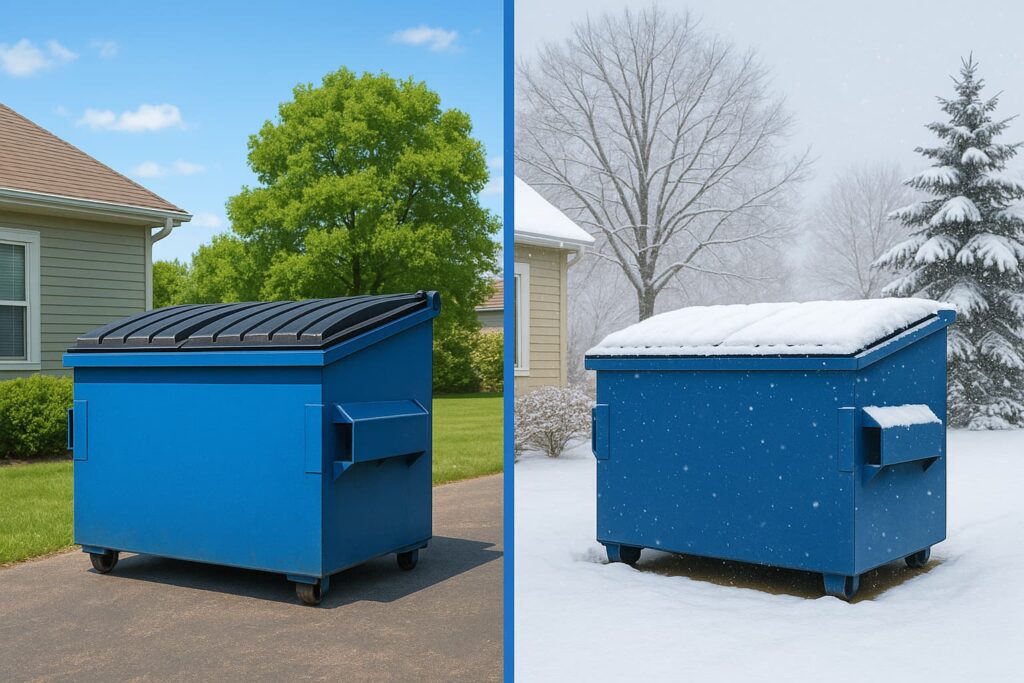
Community events and festivals represent another perfect application for temporary waste solutions. Event organizers frequently need dumpsters for just the event duration plus cleanup time, typically spanning 1 to 3 days total[1]. Small landscaping projects involving tree removal or deck demolition also fit well within short rental windows, especially when you hire contractors who complete work in single sessions.
Cost Structure of Brief Rental Periods
Short-term dumpster rentals generally cost less overall compared to extended rentals, but the daily rate runs higher when you break down total expenses[1]. A 3-day rental might cost between $250 and $450 depending on container size and location, which seems reasonable until you calculate the daily expense. The higher daily rate makes sense for quick projects but becomes expensive if you need additional days beyond your initial agreement.
Extension fees represent a common concern with short-term arrangements. If your project takes longer than expected, adding days typically costs $10 to $25 per additional day, which quickly erodes the initial cost advantage. Smart project planning helps you avoid these surprise charges by accurately estimating how long loading will take and building in a small buffer for unexpected delays.
| Rental Duration | Typical Cost Range | Daily Rate | Best For |
|---|---|---|---|
| 1-3 Days (Short-Term) | $250-$450 | $83-$150/day | Quick cleanouts, small projects, weekend work |
| 7-14 Days (Standard Long-Term) | $350-$600 | $25-$85/day | Home renovations, construction projects |
| 30+ Days (Extended Long-Term) | $500-$900 | $16-$30/day | Major construction, commercial projects, demolition |
Exploring Long Term Dumpster Rental Benefits
Long-term dumpster rentals provide continuous waste disposal access for projects that generate debris over weeks or months. What qualifies as a long-term dumpster rental? These arrangements typically start at 7 days and can extend to 30 days or longer depending on project needs[1]. The extended timeline gives you flexibility to work at your own pace without rushing to meet a tight deadline for container removal.
Construction professionals prefer long-term rentals because building projects rarely finish in just a few days. How long can you keep a dumpster for construction work? Most contractors need 2-4 weeks or more for renovation and building projects. Home additions, complete kitchen overhauls, and commercial renovations generate steady waste streams that require ongoing disposal capacity. The container stays on site throughout the work period, eliminating the hassle and expense of scheduling multiple short-term rentals or dealing with waste accumulation between pickups.
Ideal Applications for Extended Rental Periods
Major home renovations represent the most common use case for long-term waste container access. Projects involving multiple rooms or whole-house updates generate debris over several weeks, making extended rentals the practical choice. New construction sites also require long-term solutions as builders produce steady waste throughout the building process, from site preparation through final finishing work.
Commercial property improvements and industrial facility maintenance rely heavily on extended rental periods. Manufacturing plants conducting equipment upgrades or warehouse facilities clearing out obsolete inventory benefit from having dedicated waste containers available throughout their operational changes. Community development projects and large-scale landscaping transformations also fall into this category, as these efforts span multiple weeks or months[2].
According to the EPA, construction and demolition activities generated approximately 600 million tons of debris in the United States in 2018, with most of this material coming from extended projects requiring proper waste management planning[3]. This massive volume underscores why long-term rental solutions exist – they provide the sustained capacity needed for substantial waste-generating activities that can’t be completed in a few days.
Economic Advantages of Extended Waste Management
Long-term rentals offer better daily rates compared to short-term options, though total costs run higher due to the extended period[1]. A 14-day rental might cost $400 to $600, working out to roughly $28 to $43 per day – significantly less than the $83 to $150 daily rate typical of short-term arrangements. This pricing structure rewards projects that need sustained access by spreading costs across more days.
The cost advantage becomes even clearer when you avoid the expense of multiple short-term rentals. Scheduling three separate 3-day rentals for a project that really needs 10 days costs more in total fees, delivery charges, and coordination time. One continuous long-term rental simplifies logistics while reducing overall waste management expenses, especially for projects with unpredictable timelines where adding extra days costs less than scheduling entirely new deliveries.
Comparing Rental Duration Flexibility and Limitations
Different projects demand different levels of scheduling flexibility, which directly impacts whether short-term or long-term rentals work better. Short-term arrangements require precise planning because you have limited time to fill the container before pickup[1]. This works fine when you control the project timeline completely, but causes problems when weather delays work or contractors run behind schedule.
Long-term rentals provide breathing room for projects with uncertain timelines or multiple phases. You can work steadily without watching the clock, taking breaks when needed without worrying about container pickup deadlines. However, this flexibility comes with responsibility – you pay for the entire rental period whether you actively use the container every day or not, which makes accurate project duration estimation important for cost control.
Extending Your Rental Period When Projects Run Long
Nearly every project encounters unexpected delays, from weather interruptions to material delivery problems. Short-term rental extensions typically cost $10 to $25 per additional day, which sounds reasonable until you need to extend multiple times[1]. These charges accumulate quickly, potentially making a series of short-term extension fees more expensive than choosing a long-term rental from the start.
Long-term rental extensions usually offer better rates because the daily cost already sits lower than short-term pricing. Adding an extra week to a 14-day rental often costs less per day than extending a 3-day rental by the same amount. The key is communicating with your waste management provider early when you realize you need more time, as last-minute extensions sometimes carry premium charges.
| Factor | Short-Term Rental | Long-Term Rental |
|---|---|---|
| Typical Duration | 1-3 days | 7-30+ days |
| Daily Rate | Higher ($83-$150) | Lower ($16-$85) |
| Total Cost | Lower overall | Higher overall |
| Extension Cost | $10-$25/day (expensive) | Lower per-day rates |
| Flexibility | Limited – tight deadlines | High – work at your pace |
| Best for Timeline | Predictable, short projects | Variable, extended projects |
Project Types That Determine Rental Duration Needs
Your project type provides the clearest indication of whether short-term or long-term waste container access makes sense. Small residential cleanouts typically finish within a few days, making short-term rentals the obvious choice for basement purges, attic cleanings, or garage organization projects. These efforts generate debris quickly as you work through accumulated items, then finish completely when you dispose of the last load.
Construction and renovation projects almost always require long-term arrangements. Building a room addition generates debris throughout the entire construction process, from demolition and framing through drywall installation and finishing work. Each phase produces different waste materials over weeks or months, making continuous container access essential for maintaining a safe, organized work site[3].
Residential Project Duration Planning
Homeowners tackling DIY projects need realistic timelines that account for limited working hours and skill levels. A bathroom renovation might take a professional contractor 5-7 days but require 14-21 days for a homeowner working evenings and weekends. This extended timeline makes long-term rentals more appropriate for DIY enthusiasts, even though the total debris volume might fit in a smaller container suitable for short-term use.
Seasonal projects like spring cleaning or fall yard work often work well with short-term rentals because they represent concentrated cleanup efforts. You spend a weekend or two working intensively, fill the container, and move on to other activities. The key is honestly assessing your available time and energy – choosing a short-term rental when you really need long-term access leads to frustrating extensions and extra costs.
Commercial and Industrial Waste Management Timelines
Business operations generate waste continuously, making long-term rental relationships more practical than repeated short-term arrangements. Retail store renovations, restaurant remodels, and office space reconfigurations all benefit from having dedicated waste containers available throughout the work period[2]. This continuity prevents waste accumulation that could interfere with business operations or create safety hazards.
Manufacturing facilities and industrial operations often establish ongoing long-term rental agreements that provide consistent waste management capacity. These arrangements might include regularly scheduled pickups when containers reach capacity, ensuring waste never interrupts production activities. The long-term relationship also allows providers to understand specific waste streams and offer tailored solutions that improve efficiency and reduce costs over time.
“Proper planning and waste management are critical components of construction project success. Choosing the appropriate container size and rental duration helps maintain site safety while controlling project costs throughout the work cycle.” — Construction Industry Compliance Guidelines
Making the Right Rental Duration Decision for Your Needs
Selecting the optimal rental period requires honest assessment of your project timeline, waste generation rate, and working schedule. How do you choose between short-term and long-term dumpster rental? Start by estimating how many days you’ll actively generate debris, then add buffer time for unexpected delays or slower-than-expected progress. Contractors with experience can estimate fairly accurately, while homeowners should add extra days to account for learning curves and limited working hours.
Consider your working pattern when choosing rental duration. What rental duration works best for weekend DIY projects? Projects where you work full-time for consecutive days suit short-term rentals because you maintain steady progress and fill the container quickly. Projects where you work sporadically over several weeks need long-term access, as debris accumulates gradually and you can’t predict exactly when the container will reach capacity.
Calculating Waste Volume and Generation Rate
Understanding how quickly your project generates waste helps determine the right rental period. A garage cleanout where you remove everything in one weekend produces debris rapidly, filling a 10-yard container in 2-3 days and making short-term rental perfect[1]. A kitchen renovation where demolition, plumbing, electrical work, and installation happen sequentially over weeks requires long-term access as different phases produce waste at varying rates.
Your container size choice also interacts with rental duration decisions. Smaller containers fill faster, which works well with short-term rentals for compact projects. Larger containers accommodate more debris and suit long-term arrangements where waste accumulates gradually. Working with experienced waste management professionals helps you match container size and rental period to your specific situation.
Understanding Peoria IL Local Considerations
Local regulations and property characteristics in Peoria and Central Illinois affect rental duration choices. Some neighborhoods have restrictions on how long containers can remain on streets or in driveways, which might limit long-term options for certain locations. Consulting with local waste management providers helps you understand these requirements before committing to a rental period.
Weather patterns in Central Illinois also influence timeline planning. Summer projects typically proceed on schedule, while winter work faces potential weather delays that make long-term rentals more practical. Spring and fall offer moderate conditions but can bring rain that slows outdoor work, again suggesting longer rental periods provide valuable flexibility for maintaining project momentum despite weather interruptions.
Cost-Saving Strategies for Both Rental Duration Types
Smart planning reduces waste management costs regardless of rental duration. For short-term rentals, accurate timeline estimation prevents expensive extensions that erode the initial cost advantage. Gather all debris before the container arrives, allowing you to load efficiently and complete filling within your rental window. Having helpers available on delivery day speeds loading and ensures you maximize your brief rental period.
Long-term rental cost control focuses on efficient space utilization and avoiding unnecessary extensions. Break down bulky items to maximize container capacity and reduce the need for additional containers or early exchanges. Coordinate different work phases to maintain steady debris generation that keeps you actively using the container throughout the rental period rather than paying for idle time between project phases.
Negotiating Flexible Rental Terms
Many waste management providers offer flexible arrangements that blend short-term and long-term benefits. Some allow you to start with a short-term rental and extend at reasonable rates if needed, while others provide long-term rentals with early pickup options if you finish ahead of schedule. Discussing your project uncertainty upfront helps providers recommend arrangements that accommodate your specific situation while controlling costs.
Establishing relationships with local providers often yields better pricing and terms for repeat customers. Contractors and property managers who use waste services regularly can negotiate volume discounts or preferred rates that make either rental duration more affordable. Even homeowners planning multiple projects over a year might secure better terms by discussing their full project pipeline with providers upfront.
Working with Waste Management Professionals for Optimal Results
Experienced waste management providers offer valuable guidance on rental duration decisions based on thousands of similar projects. They understand how different project types generate waste and can recommend rental periods that match your specific needs. This expertise helps you avoid common mistakes like underestimating timelines or choosing containers that are too small or too large for your actual requirements.
Professional providers also handle logistics that make either rental duration work smoothly. They schedule deliveries and pickups that align with your project phases, provide placement guidance that keeps containers accessible while minimizing property impact, and offer solutions when unexpected issues arise. This support proves especially valuable for complex projects where coordination between multiple contractors affects waste generation patterns.
How Zap Dumpsters Peoria Helps You Choose the Right Duration
At Zap Dumpsters, we specialize in helping Peoria-area residents and businesses find the perfect waste management solution for their specific project needs. Our team understands Central Illinois construction patterns, local regulations, and seasonal considerations that affect rental duration decisions. We work with you to assess your timeline honestly, then source containers with rental terms that match your actual working schedule.
Whether you need a roll-off dumpster rental for a quick weekend cleanout or extended access for a major renovation, we connect you with providers offering competitive rates and reliable service throughout the greater Peoria area. Our experience sourcing solutions for thousands of local projects helps us recommend the rental duration that delivers the best value for your specific situation.
Understanding how long you can keep a dumpster on your property represents just one piece of effective project planning. We provide comprehensive guidance on container sizing, placement strategies, and timing that keeps your project moving forward efficiently while managing costs effectively.
Ready to Find the Perfect Rental Duration for Your Project?
Let Zap Dumpsters help you source the ideal waste management solution for your timeline and budget
Call (309) 650-8954 NowConclusion
Choosing between short-term and long-term dumpster rentals depends primarily on your project duration, working schedule, and waste generation pattern. Short-term options deliver cost-effective solutions for quick cleanouts and compact projects where you work intensively for just a few days. Long-term rentals provide the flexibility and sustained access needed for construction projects, major renovations, and commercial applications where debris accumulates over weeks or months. Understanding your true project timeline and honestly assessing your working pattern helps you select the rental duration that maximizes value while avoiding costly extensions or unused days. Working with experienced local providers gives you access to expert guidance that matches your specific needs with the most appropriate waste management solution.
Short Term vs Long Term Dumpster Rental FAQs
Can I switch from a short-term to a long-term rental if my project takes longer than expected?
Yes, most providers allow you to extend short-term rentals into longer arrangements, though you’ll typically pay higher rates compared to choosing long-term rental from the start. Contact your provider as soon as you realize you need more time to discuss extension options and costs.
What happens if I finish my project early with a long-term dumpster rental?
Many providers offer early pickup services for long-term rentals, though policies vary on whether you receive refunds for unused days. Some providers charge full rental fees regardless of early completion, while others credit a portion of unused time, so clarify these terms before signing your rental agreement.
How do seasonal weather patterns in Peoria IL affect rental duration decisions?
Winter projects in Central Illinois often require long-term rentals because snow and cold temperatures can delay outdoor work significantly. Summer projects typically proceed on schedule and may work well with short-term arrangements, while spring and fall weather variability suggests building extra time into your timeline.
Do short-term dumpster rentals cost more per day than long-term options?
Yes, short-term rentals typically have higher daily rates ranging from $83 to $150 per day, while long-term arrangements offer lower daily costs of $16 to $85 per day[1]. However, short-term rentals cost less in total because you only pay for a few days rather than weeks.
What’s the best rental duration for a whole-house renovation project?
Whole-house renovations almost always require long-term rentals spanning 30 days or more because multiple work phases generate debris continuously over several weeks or months. Long-term arrangements provide the flexibility needed as different contractors complete their portions of the work at varying speeds.
Short Term vs Long Term Dumpster Rental Citations
- Perplexity Research Summary on Short-Term vs Long-Term Dumpster Rentals. Research compilation based on multiple industry sources including imcosta.com.br, consultectreinamentos.com.br, and bpmhelps.com.
- On Call Services and Rentals. (2024). “Short-Term vs Long-Term Dumpster Rental.” https://oncallservicesandrentals.com/blog/2024/05/16/short-term-vs-long-term-dumpster-rental/
- U.S. Environmental Protection Agency. (2020). “Sustainable Management of Construction and Demolition Materials.” https://www.epa.gov/smm/sustainable-management-construction-and-demolition-materials
- BPM Helps. “Long-Term vs Short-Term Dumpster Rental.” https://bpmhelps.com/dumpster-rental/long-term-vs-short-term/
- Bin There Dump That. “How to Choose the Right One Day Dumpster Rental for Your Project.” https://www.bintheredumpthat.com/how-to-choose-the-right-one-day-dumpster-rental-for-your-project/