
Key Takeaways
Estimating dumpster size and weight for a roof tear-off is a straightforward calculation once you have three numbers: the roof area in squares, the type of shingle being removed, and the number of layers. Everything else, including which container size to request and what weight limit to ask for, follows directly from those three inputs.
Step One: Measure Your Roof in Squares
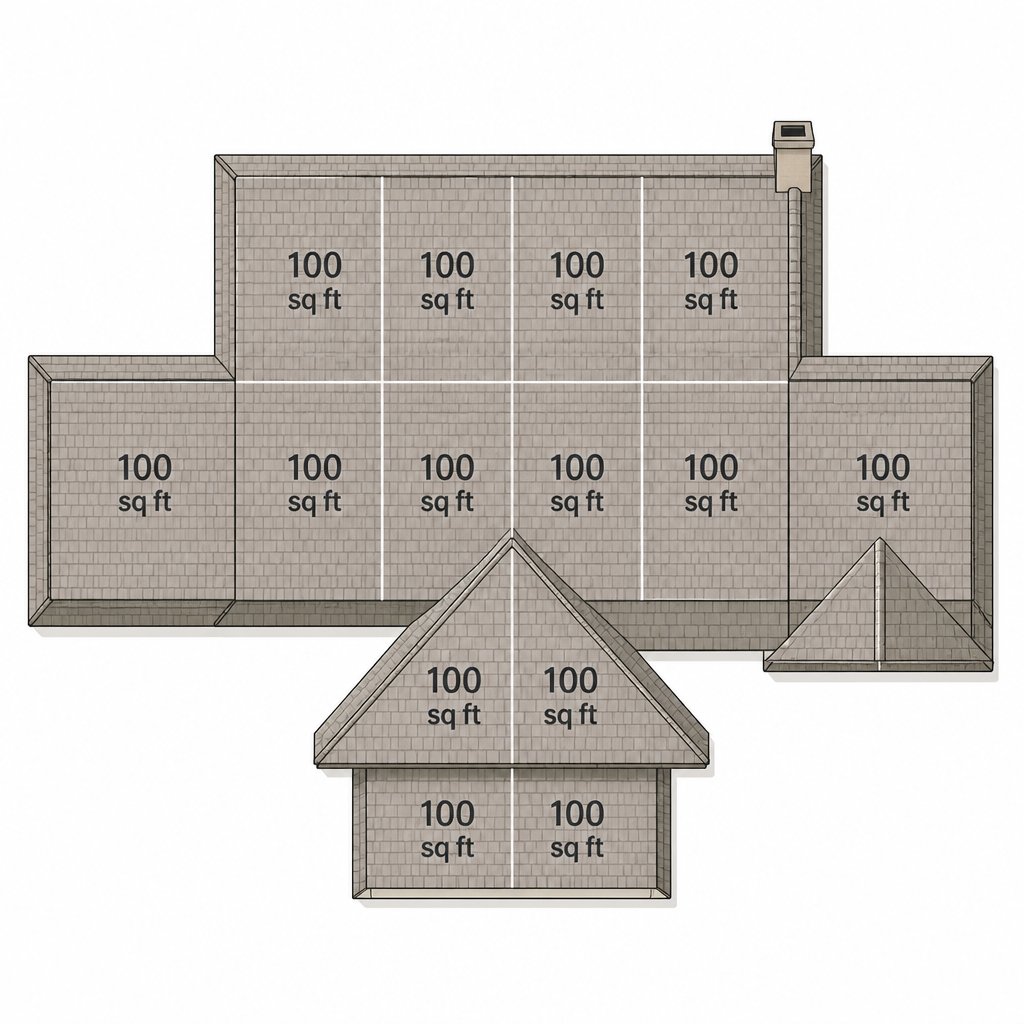
Roofing is measured in squares, where one square equals 100 square feet of roof surface. This is the most important number in your estimate because it scales everything else, including weight, volume, and the dumpster size you will need.
Converting Home Square Footage to Roof Squares
Home square footage and roof square footage are not the same. A 2,000-square-foot house with a medium-pitched roof typically has a roof area of around 22 to 26 squares once the pitch factor is applied. Steeper pitches cover more surface area per footprint, so a 2,000-square-foot home with a steep roof may have 28 to 35 squares or more. The simplest way to get an accurate number is to count the squares directly from your roofing contractor’s estimate, which should list the total in squares explicitly.
A Simple Pitch-Adjustment Method
If you need to estimate independently, multiply your home’s footprint in square feet by a pitch factor: roughly 1.06 for a low-slope roof, 1.15 for a moderate 4/12 pitch, 1.30 for a 6/12 pitch, and 1.50 or higher for steeper residential pitches. This gives you approximate roof area in square feet, which you then divide by 100 to get your square count.
Step Two: Calculate Estimated Total Weight
Once you have your square count, multiply it by the weight per square for your shingle type, then by a layer factor for multi-layer tear-offs. This gives you an estimated total weight for the tear-off debris.
| Shingle Type | Approximate Weight Per Square |
|---|---|
| 3-tab asphalt | 250–300 lbs/sq |
| Architectural/laminated asphalt | 350–500+ lbs/sq |
| Wood shake | 600–800 lbs/sq |
| Concrete or clay tile | 900+ lbs/sq |
| Slate | 1,000+ lbs/sq |
The Layer Factor
If your roof has a single layer of shingles, use the weight per square directly. For a two-layer tear-off, multiply by approximately 1.8 to 2.0 to account for the full debris load. A two-layer architectural shingle tear-off almost always requires a larger or higher-weight-rated container than the same roof with a single layer.
Worked Example
A 24-square roof with architectural shingles at 400 lbs/sq and a single layer produces roughly 9,600 lbs, or about 4.8 tons. That exceeds the weight cap of many standard 20-yard containers, which often top out at 2 to 3 tons for roofing loads. A 30-yard container with a 4 to 5-ton weight rating is the safer choice for that project. The same roof with two layers of shingles estimates at roughly 8 to 9 tons, which would likely require a 40-yard container or staged loads.
Step Three: Match Weight Estimate to a Container
After calculating the estimated weight, the next step is confirming which container size matches both the volume of debris and the weight limit needed.
| Container Size | Typical Weight Cap (Roofing) | Approximate Squares of Asphalt (Single Layer) |
|---|---|---|
| 10-yard | 1–2 tons | Up to ~10 squares of 3-tab |
| 20-yard | 2–3 tons | Up to ~15 squares of 3-tab; ~10 architectural |
| 30-yard | 4–4.5 tons | Up to ~25 squares of 3-tab; ~15–20 architectural |
| 40-yard | 5–6 tons | Larger homes, multi-layer, or heavy tile |
Always Ask for Tons, Not Just Yards
When booking a container for a roofing project, the single most important question to ask is the included weight allowance in tons, not the cubic yard capacity. A container can look half empty and still be at its weight limit on a shingle-heavy load. Providers who do not volunteer this information upfront when asked about roofing projects are worth pressing, since unexpected weight overage fees are the most common financial surprise on residential roofing projects.
When to Size Up
The general rule is to size up if you are between options. An overage fee on a too-small container, which may run $75 to $150 or more per ton above the cap, typically costs more than upgrading to the next container size upfront. If your estimate puts you within 20 percent of a container’s weight limit, the next size up is the safer financial choice.
Variables That Can Change Your Estimate
Wet Shingles Weigh More
Shingles that have absorbed rainwater can weigh noticeably more than dry material. Scheduling a tear-off after a dry stretch and loading the container before any rain hits the debris reduces this variable and keeps the load weight more predictable.
Mixed Debris and Non-Shingle Materials
Most tear-offs generate more than just shingles. Underlayment, flashing, ridge caps, and ventilation components all add weight and volume. These materials are generally lighter than shingles pound for pound, but they can add several hundred to several thousand pounds to the total load on a larger roof, so factor them into your estimate rather than treating the shingle weight as the full picture.
Roofing Over Versus Full Tear-Off
Some roofs are re-roofed by installing new shingles directly over the existing layer without a tear-off. This generates no disposal debris at all. A full tear-off of even a single layer produces a full weight load. Confirming which approach your contractor is using determines whether you need any container at all.
Connecting Your Estimate to the Right Container
The guide on what dumpster options are available for residential roof projects covers the container type comparison that pairs with this weight-and-size formula. The existing guide at what size dumpster to use for a roofing job provides additional sizing reference alongside this calculation approach.
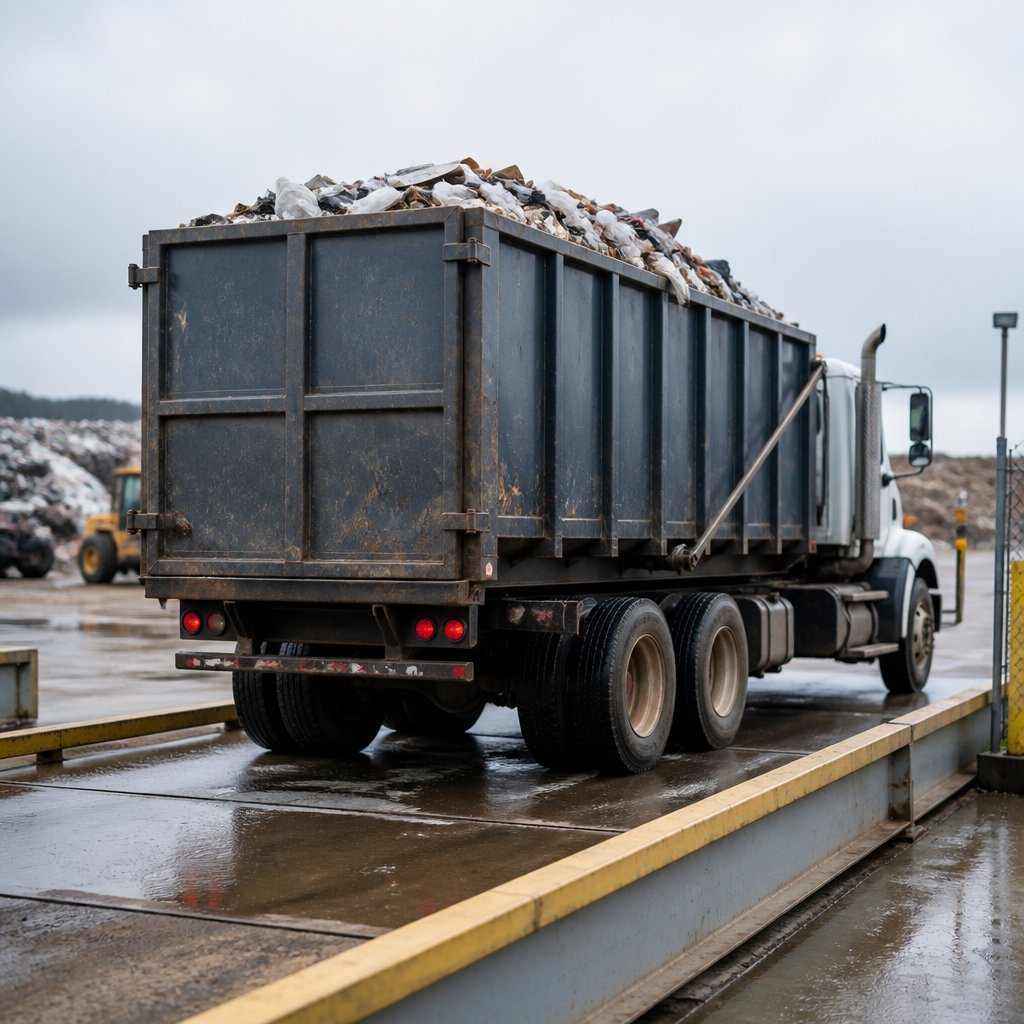
Zap Dumpsters Peoria works as a sourcing partner for roofing waste disposal, helping Peoria homeowners and contractors translate their square count and shingle type into the right container size and weight rating before the job starts.
Roof Tear-Off Dumpster Sizing Near You in Peoria
Estimating dumpster size and weight for a roof tear-off takes three numbers and a straightforward calculation. Convert your roof to squares, multiply by the appropriate weight per square and layer factor, then match the result to a container with a weight limit that clears your estimate with some margin. Getting that calculation right before you book avoids the overage fees that catch homeowners off guard on roofing projects. Zap Dumpsters Peoria sources the right-sized container near you so your tear-off runs smoothly from the first shingle to the last pickup.
How Do You Estimate Dumpster Size and Weight for a Roof Tear-Off FAQs
How do you estimate dumpster size and weight for a roof tear-off on a standard home?
You estimate dumpster size and weight for a roof tear-off by multiplying your roof area in squares by the weight per square for your shingle type, then adjusting for the number of layers, and matching the result to a container with an appropriate weight cap.
What is a “square” in roofing and why does it matter for dumpster sizing?
A square is 100 square feet of roof surface area, and it is the base unit for all roofing weight and volume estimates because it scales directly with how much debris a tear-off produces.
Why do roofing dumpsters hit weight limits before they look full?
Asphalt shingles are dense and heavy, so a container can reach its weight allowance while still appearing half empty on volume, which is why the weight cap matters more than the cubic yardage for roofing projects.
How much does a two-layer tear-off weigh compared to a single layer?
A two-layer tear-off produces roughly 1.8 to 2 times the debris weight of a single-layer project, which often means moving up at least one container size or weight rating.
Should I size up my dumpster if I am close to the weight limit?
Yes. If your estimate puts the load within 20 percent of a container’s weight cap, sizing up is usually cheaper than paying per-ton overage fees on a too-small container.
How Do You Estimate Dumpster Size and Weight for a Roof Tear-Off Citations
- Illinois EPA, General Construction or Demolition Debris (GCDD) — Roofing shingles classification as GCDD: https://epa.illinois.gov/topics/waste-management/waste-disposal/ccdd/gcdd.html