
- Key Takeaways:
- Asphalt shingles can take up to 300 years to break down in a landfill, making disposal a long-term environmental concern.
- Illinois law gives C&D facilities double recycling credit for shingles processed to a Beneficial Use Determination (BUD) standard.
- A state law bans landfills within 25 miles of a BUD-certified shingle recycling site from accepting shingles, pushing material toward recycling where capacity exists.
- Recycled shingles, known as Reclaimed Asphalt Shingles (RAS), are primarily used in road paving and can reduce demand for virgin asphalt binder.
- Keeping shingle loads clean and free of mixed debris is the single most important step to enabling recycling.
The environmental considerations for disposing of asphalt shingles in Illinois go beyond simply choosing landfill or recycling. The state has built a specific regulatory framework, including legislation, Illinois EPA rules, and IDOT reporting requirements, that actively discourages shingle landfilling where recycling infrastructure exists. Understanding this framework helps homeowners and roofing contractors make disposal choices that are both compliant and environmentally sound.
Why Asphalt Shingle Disposal Has an Outsized Environmental Impact
Asphalt shingles are one of the most common construction materials in residential America, which means their disposal adds up at a scale most people do not initially appreciate. A single residential re-roof can generate up to three tons of shingle debris, and when multiplied across the millions of roofs replaced nationally each year, the numbers become significant.
How Long Shingles Last in a Landfill
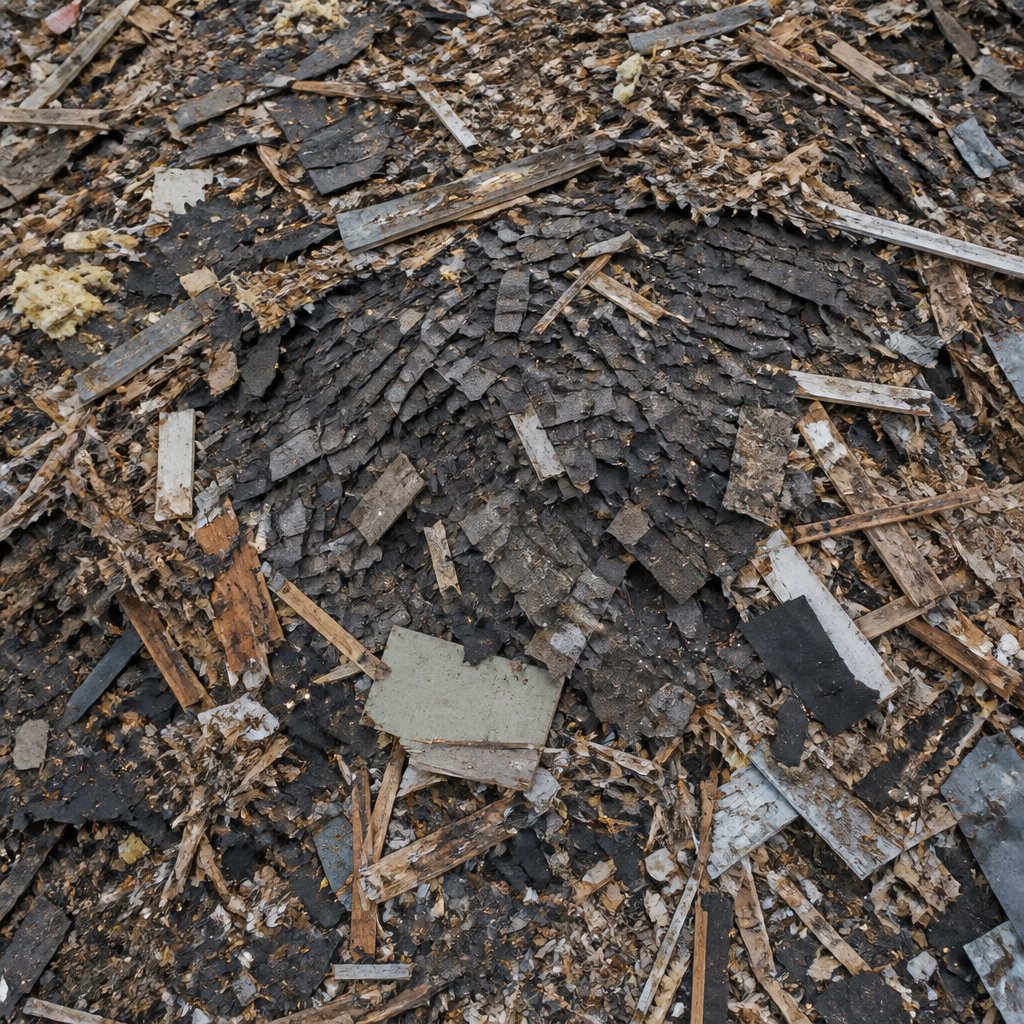
Asphalt shingles can take up to 300 years to fully break down in a landfill environment. Unlike organic yard waste, which decomposes in months, shingles are petroleum-based and mineral-heavy, meaning they occupy landfill space for generations rather than years. This long decomposition timeline is a central reason Illinois policy has moved toward incentivizing recycling over landfill disposal wherever possible.
What Shingles Are Made Of and Why It Matters for Recycling
Asphalt shingles contain asphalt binder, mineral granules, and in most modern shingles, a fiberglass mat. Each of these components has practical end-of-life value. The asphalt binder in particular is directly usable in road paving when processed into Reclaimed Asphalt Shingles (RAS), substituting for some of the virgin asphalt that would otherwise be mined and refined. Recovering these materials keeps value in the supply chain instead of burying it permanently in a landfill. The Asphalt Roofing Manufacturers Association has set a goal of reducing landfill disposal of asphalt-based roofing materials to 50 percent by 2035 and to approach zero percent by 2050, reflecting the industry’s recognition that shingle composition makes recycling both feasible and worthwhile at scale[1].
Illinois’ Regulatory Framework for Asphalt Shingle Disposal
Illinois has taken a more active legislative approach to shingle recycling than most states, with several overlapping laws and rules that together create real financial and operational incentives to divert shingles from landfills.
| Illinois Rule or Law | What It Does |
|---|---|
| Public Act 097-0314 | Raised awareness of RAS and increased recycling rates in C&D waste streams |
| IEPA Double Credit Rule | C&D facilities recycling shingles to BUD standard count double the tonnage toward their 75% recycling goal |
| SB2226 (25-mile ban) | Bans landfills within 25 miles of a BUD-certified shingle recycler from accepting shingles |
| IDOT Reporting Requirement | Requires reporting on recycling goals and maximizing RAS content in asphalt paving |
The Beneficial Use Determination (BUD) Standard
The BUD designation is central to how Illinois enforces its shingle recycling incentives. A C&D facility that processes shingles and achieves a BUD-certified output can count double the tonnage toward its state-mandated 75 percent recycling goal. This economic incentive encourages facilities to invest in shingle processing infrastructure, which in turn expands the availability of recycling options for homeowners and contractors in the state.
The 25-Mile Landfill Ban
SB2226 prohibits landfills located within 25 miles of a BUD-certified shingle recycling site from accepting asphalt shingles for disposal. This rule is significant for Central Illinois homeowners and contractors because it means that in areas where certified recycling capacity exists, the landfill option may not legally be available. Confirming whether your disposal site falls within a 25-mile radius of a certified facility before booking a container is a practical compliance step.
Environmental Benefits of Recycling Shingles as RAS
When shingles are processed into RAS and used in hot-mix asphalt paving, the environmental benefits are concrete rather than theoretical. Recycling reduces the amount of virgin crude-oil-derived asphalt binder needed for road construction, lowers the energy footprint of producing and transporting new binder, and keeps large volumes of slow-decomposing material out of landfills that communities rely on for long-term waste management.
Illinois as an Active RAS User
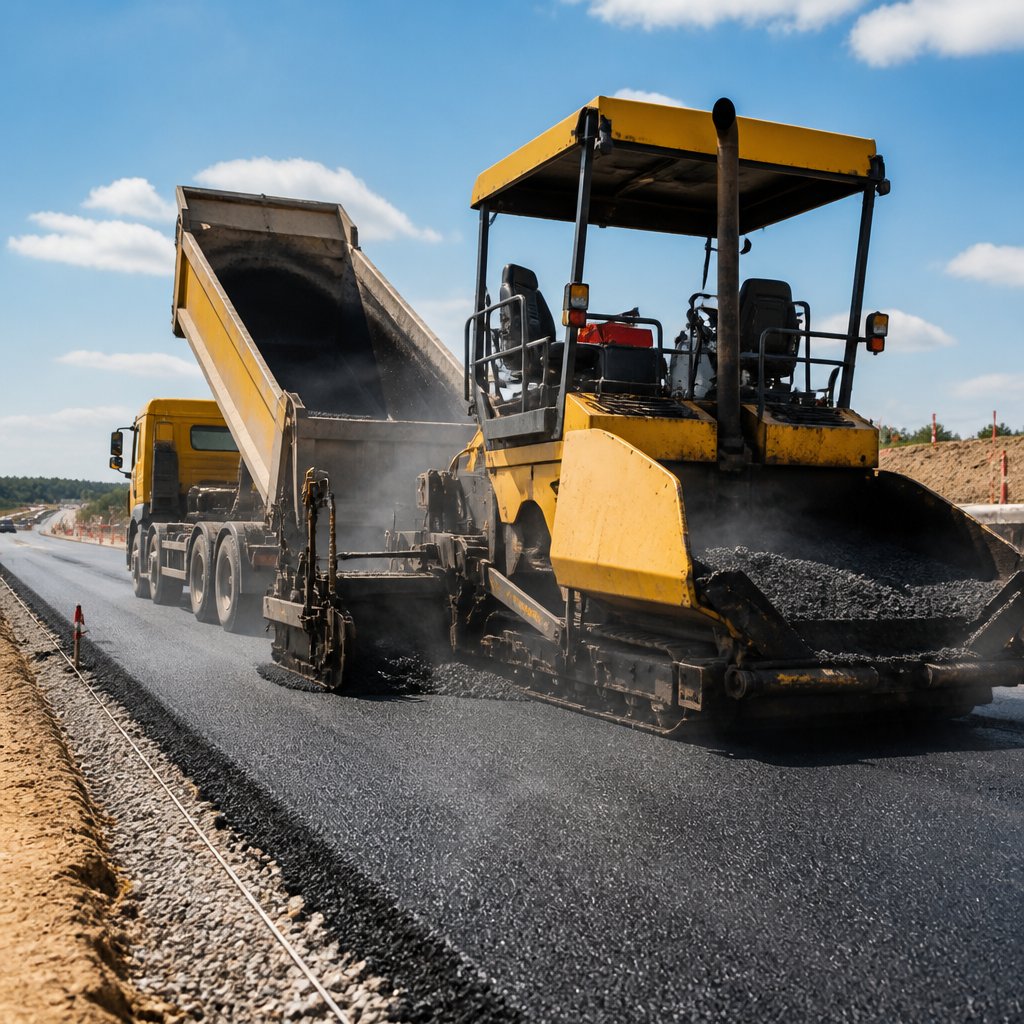
Illinois ranks consistently among the top states for RAS incorporation into asphalt pavement, a direct result of the legislative framework that created financial incentives for both processors and paving contractors to use recycled shingle material. IDOT’s reporting requirements create ongoing accountability for how well those recycled materials are actually making it into state paving projects rather than simply being processed and stockpiled. For homeowners in Central Illinois, this matters practically because it means recycling infrastructure is more developed here than in many other states, making diversion from landfill more accessible when shingle loads are kept clean.
Environmental and Health Risks That Must Be Managed
Shingle recycling is not without its complications. Older shingles, particularly those installed before 1980, may contain asbestos in the mat material or underlying felts. Any shingle removal project on a pre-1980 structure should confirm whether asbestos testing is required before work begins, since shingles containing asbestos cannot enter standard C&D recycling streams without separate regulated handling.
Contamination Is the Biggest Recycling Barrier
For loads that are eligible for recycling, contamination is the practical obstacle that most often routes material to a landfill instead. Mixed loads containing wood, metal flashing, nails embedded in non-shingle material, and general trash are harder for recycling facilities to process and may be rejected entirely. Keeping shingle-only loads during a tear-off is the most effective step a homeowner or contractor can take to make recycling accessible.
| Load Type | Recycling Eligibility |
|---|---|
| Clean shingles only, no loose nails or debris | Strong candidate for RAS processing |
| Shingles with embedded nails | Accepted by most processors; nails are screened out |
| Mixed shingles, wood, and flashing | Often rejected or landfilled by C&D processors |
| Pre-1980 shingles (possible asbestos) | Requires testing before standard recycling is permissible |
Practical Steps for Environmentally Sound Shingle Disposal
For the roofing debris management side of this equation, the guide on what dumpster options are available for residential roof projects covers how to match the right container type to your tear-off. The existing breakdown at why roofing recycling efforts keep falling short adds useful context on the broader systemic barriers that even well-intentioned homeowners run into.
Zap Dumpsters Peoria works as a sourcing partner for roofing waste disposal in the Peoria area, helping homeowners and contractors source containers that keep shingle loads clean and positioned for recycling where facilities are available.
Asphalt Shingle Environmental Disposal Options Near You in Peoria
The environmental considerations for disposing of asphalt shingles in Illinois are shaped by a specific regulatory framework designed to push material away from landfills and toward RAS recycling where capacity exists. Understanding the BUD certification system, the 25-mile landfill ban, and the contamination rules that govern load eligibility helps homeowners and contractors make disposal decisions that are both legally sound and environmentally meaningful. Zap Dumpsters Peoria sources containers near you that support clean, compliant shingle loads for Peoria-area roof projects.
Environmental Considerations for Disposing of Asphalt Shingles FAQs
What are the environmental considerations for disposing of asphalt shingles in Illinois?
The main environmental considerations for disposing of asphalt shingles in Illinois include the 300-year landfill decomposition timeline, the state’s BUD-certified recycling incentives, and the 25-mile landfill ban that applies where certified recycling capacity exists.
Can asphalt shingles be recycled in Illinois?
Yes. Illinois has legislation actively promoting shingle recycling into Reclaimed Asphalt Shingles (RAS) for road paving, and C&D facilities that meet BUD standards receive double recycling credit for shingle loads.
What is the 25-mile shingle landfill ban in Illinois?
Under SB2226, landfills within 25 miles of a BUD-certified shingle recycling facility are prohibited from accepting asphalt shingles for disposal, redirecting material toward recycling where capacity exists.
Do older shingles have special disposal requirements?
Yes. Shingles from pre-1980 structures may contain asbestos, which requires testing before disposal and excludes contaminated material from standard C&D recycling streams.
What makes a shingle load eligible for recycling?
Clean shingle loads free of mixed wood, excessive metal flashing, and general trash are the strongest candidates for RAS recycling; contaminated or mixed loads are often landfilled by processors.
Environmental Considerations for Disposing of Asphalt Shingles Citations
- Asphalt Roofing Manufacturers Association (ARMA), Sustainability and Recycling Statement: https://www.asphaltroofing.org/sustainability-update/
- Illinois EPA, General Construction or Demolition Debris (GCDD): https://epa.illinois.gov/topics/waste-management/waste-disposal/ccdd/gcdd.html